

Cart
0
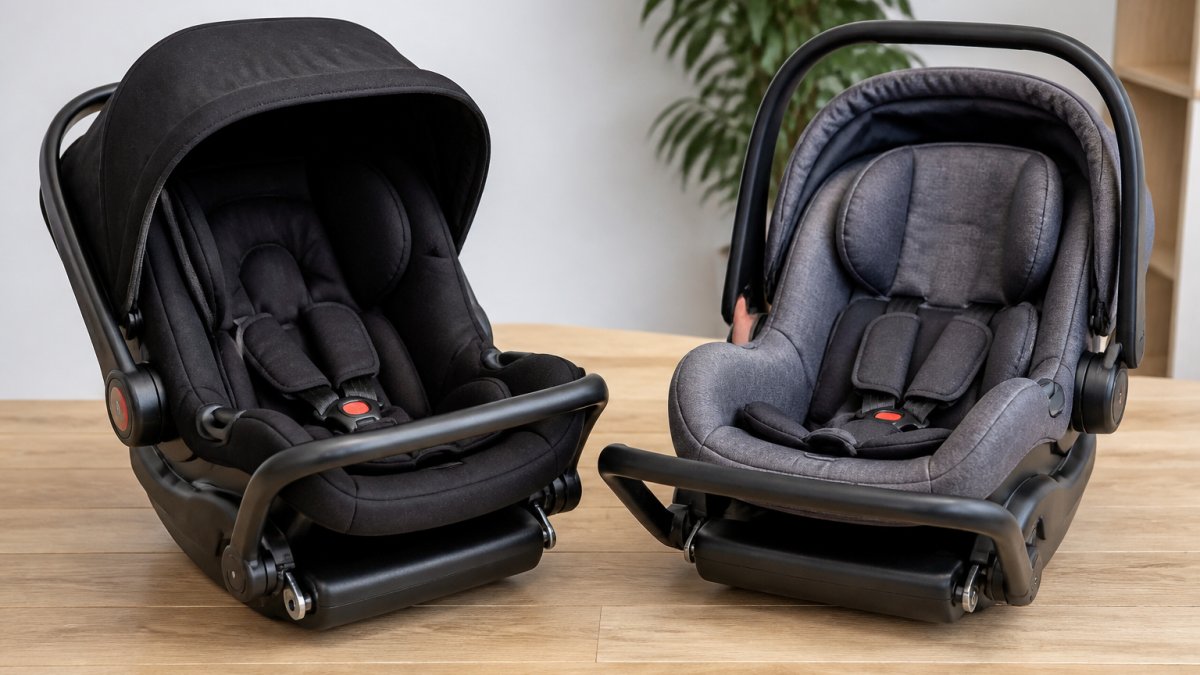
Table of Contents
- What Anti-Rebound Bars Do and Why They Matter
- Anti-Rebound Bars vs. Load Legs: Key Differences
- Best Infant Car Seats With Anti-Rebound Bar Features
- Infant Car Seat Installation: Anti-Rebound Bar Setup
- Vehicle Compatibility and Fit Considerations
- Crash Test Performance and Safety Ratings
- Common Installation Mistakes and How to Avoid Them
- Frequently Asked Questions
Last Updated: October 17, 2026
What Anti-Rebound Bars Do and Why They Matter
An infant car seats anti-rebound bar is a safety feature that extends from the base of an infant car seat to the vehicle's seat or floor, designed to limit how far the seat moves backward during a crash. This matters because rear-facing infant seats naturally rebound after impact. The anti-rebound bar catches and stabilizes the seat, reducing that rebound movement and keeping your newborn's head and neck in a safer position relative to the vehicle seat.
At Modocam Kids, we understand that choosing the right car seat involves understanding these safety mechanics. When a collision occurs, the forces involved are extreme. Without an anti-rebound bar, a rear-facing infant seat can rotate backward, increasing stress on the child's neck and spine. The bar acts as a physical barrier, preventing excessive rotation and keeping your baby's body alignment more stable during the critical moments after impact.
This feature has become increasingly common in premium infant car seats because crash-test data shows it measurably reduces movement. Parents often ask whether this is necessary or just marketing. The honest answer: it's an additional layer of protection that works best when combined with proper installation and appropriate harness fit. It's not a substitute for correct setup, but it's a meaningful addition to your safety strategy.
Anti-Rebound Bars vs. Load Legs: Key Differences
The distinction between an anti-rebound bar and a load leg matters because they address the same problem differently, and understanding which your seat uses helps you install it correctly. A load leg is a telescoping support that extends from the base of the car seat down to the vehicle's floor. It transfers crash forces downward into the vehicle structure rather than allowing the seat to rebound backward.
An anti-rebound bar, by contrast, attaches to the back of the base and contacts the vehicle seat or the seat back, preventing backward rotation without extending to the floor. Both reduce rebound movement, but they work through different mechanical principles.
Load legs tend to be more rigid and occupy more floor space. They're typically found on heavier, larger bases. Anti-rebound bars are usually more compact and don't require floor clearance, making them easier to install in vehicles with limited space between the rear seat and the front seat. Some newer bases include both features for maximum stability, though this is less common in the infant car seat category.
The practical difference: if your vehicle has a low floor or tight rear-seat geometry, an anti-rebound bar may be easier to accommodate. If you have ample space and prefer maximum rigidity, a load leg provides a different kind of stability. Neither is universally superior, the best choice depends on your specific vehicle and how the base fits in your rear seat.
Best Infant Car Seats With Anti-Rebound Bar Features
When evaluating infant car seats with an anti-rebound bar, focus on three core criteria: crash-test performance, ease of installation, and real-world fit in your vehicle. The best seats combine a functional anti-rebound bar with straightforward setup and reliable LATCH or seat-belt installation.
Several models in the current market include this feature as standard. Look for seats that clearly label the anti-rebound bar in their product documentation and installation manuals. Some seats integrate the bar into a rigid base, while others use a more flexible design that still provides meaningful movement control.
When comparing options, check the product specifications for the anti-rebound bar's attachment method. Does it connect to the vehicle seat, the floor, or both? Does it require additional tools or hardware beyond what comes in the box? The best seats make this clear in their documentation and include all necessary components.
Consider also the seat's recline range for newborns. A proper recline angle keeps your infant's head in a safer position during the ride. Seats with anti-rebound bars should still offer adequate recline adjustment without requiring complex repositioning every time you need to recline or upright the seat.
We recommend verifying that any seat you're considering has been tested for crash performance and that the manufacturer provides clear, step-by-step installation guidance specific to your vehicle model. Not all vehicles are created equal, and what works seamlessly in a sedan may require different setup in an SUV or truck.
Infant Car Seat Installation: Anti-Rebound Bar Setup
Proper installation of the anti-rebound bar is non-negotiable for it to provide any benefit. The bar must be positioned so it makes firm contact with the vehicle seat or floor at the correct angle. A loose or improperly angled bar provides little protection and may even shift during normal driving.
Start by reading the specific installation manual for your car seat model. The manual will specify exactly where the anti-rebound bar should contact your vehicle. Some bars are designed to rest against the vehicle's seat back. Others contact the floor or the junction between the seat and seat back. Using the wrong contact point defeats the purpose.
Position the car seat base in your vehicle's rear seat, then extend the anti-rebound bar toward its contact point. It should make solid contact without requiring excessive force.
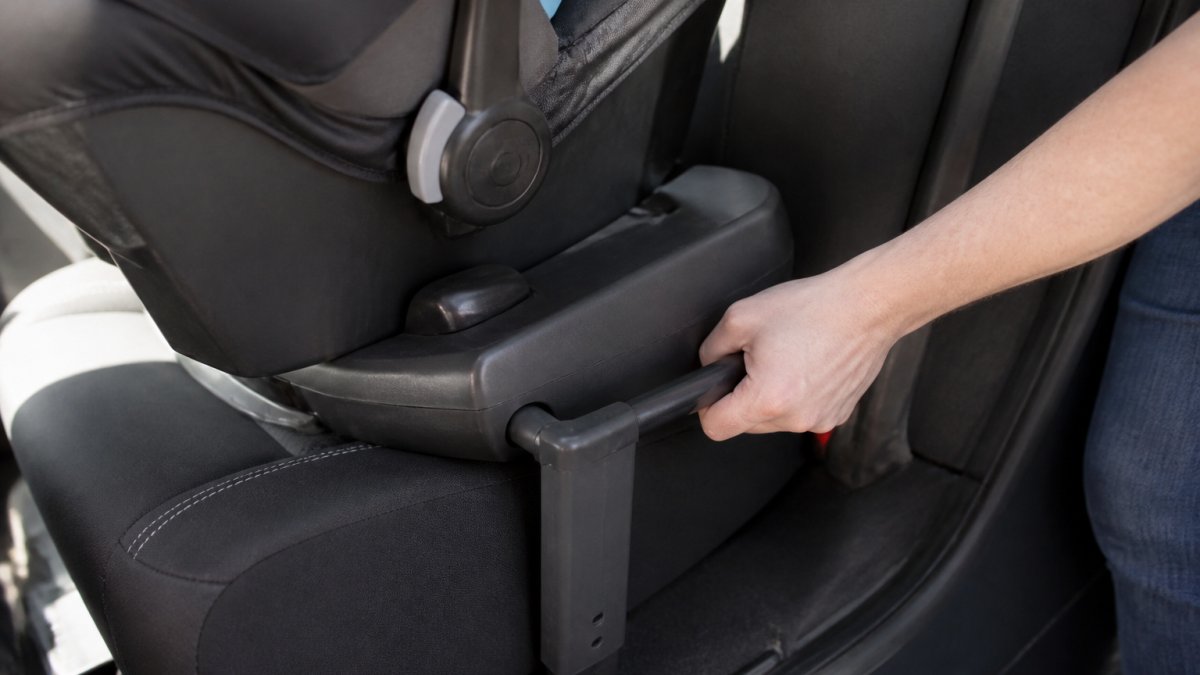
After positioning, check that the bar doesn't move when you apply moderate pressure. If it shifts or flexes excessively, reposition the entire base and try again. Many installation errors stem from rushing this step. Take time to ensure the bar is stable before securing the base with LATCH or the vehicle's seat belt.
Common mistakes include positioning the bar too high or too low relative to the contact point, failing to fully extend the bar to its designed length, or installing the base at an angle that prevents proper bar contact. Each of these reduces the anti-rebound bar's effectiveness.
Vehicle Compatibility and Fit Considerations
Not every anti-rebound bar design fits every vehicle. Vehicle rear-seat geometry varies significantly between sedans, SUVs, trucks, and minivans. Before purchasing a car seat with an anti-rebound bar, confirm that the base will fit properly in your specific vehicle.
Check the car seat manufacturer's compatibility list. Most provide a searchable database or PDF listing compatible vehicles by year, make, and model. This matters because an anti-rebound bar that works in a 2024 sedan may not fit in a 2024 SUV due to differences in seat height, seat-back angle, or the distance between the rear seat and the front seat.
Front-seat clearance is particularly important. An anti-rebound bar extends forward from the car seat base. If your vehicle has limited space between the rear and front seats, the bar may prevent the front seat from moving backward far enough for a passenger to sit comfortably. Some vehicles require the front seat to be positioned in a specific way to accommodate a car seat with an anti-rebound bar.
Test fit the base in your vehicle before finalizing your purchase if possible. Many retailers allow this, or you can ask the manufacturer for specific measurements. Measure the distance from your vehicle's rear seat to the front seat, and compare it to the car seat base's total depth with the anti-rebound bar fully extended.
Also consider whether you plan to use the car seat in multiple vehicles. If you do, verify that the base fits in each vehicle before committing. An anti-rebound bar that works perfectly in your primary vehicle may not work in your partner's car, a rental, or a grandparent's vehicle where you might install the seat temporarily.
Crash Test Performance and Safety Ratings
Crash-test results provide objective data about how well a car seat protects during impact. Different testing organizations use different protocols, so understanding what the tests measure helps you interpret the results accurately.
The National Highway Traffic Safety Administration (NHTSA) conducts crash testing for child restraints, though not all car seats are tested by NHTSA. Many manufacturers conduct their own crash testing or use independent labs. When reviewing crash-test data, check which organization performed the test and what specific impact scenario they used.
Crash tests typically measure head excursion (how far the child's head moves forward or to the side), chest acceleration, and seat movement during impact. Seats with anti-rebound bars generally show reduced seat movement compared to seats without this feature, but the difference varies by design and impact angle.
Be cautious about comparing crash-test results across different testing protocols. A seat tested by one organization under one set of conditions may perform differently under different conditions. The best approach is to review the test results for the specific seat you're considering and understand what those results actually measure.
Also recognize that crash-test performance is one factor among several. A seat with excellent crash-test results that you struggle to install correctly will not protect as well as a seat with good results that you install properly. Installation quality and ongoing harness fit matter as much as the base design.
Common Installation Mistakes and How to Avoid Them
The most frequent installation error with anti-rebound bars is positioning them at the wrong angle or allowing them to rest against the wrong surface. The bar must contact the vehicle at the specific point designated in the installation manual.
Another common mistake is failing to fully extend the bar to its designed length. Some anti-rebound bars telescope or adjust. If you don't extend it completely, it may not reach its intended contact point, or it may contact the vehicle with insufficient force.
Loose installation is also widespread. After positioning the anti-rebound bar, secure the entire base firmly using either LATCH connectors or the vehicle's seat belt. A base that moves even slightly during normal driving will cause the anti-rebound bar to shift, reducing its protective value.
Incorrect harness fit compounds these problems. Even with a perfectly installed anti-rebound bar, if the harness is too loose, your infant can move excessively within the seat during a crash. The harness should be snug enough that you cannot pinch excess webbing at your baby's shoulder.
Finally, many parents fail to verify installation in their specific vehicle before relying on the seat. Install the base, position the anti-rebound bar, and secure everything according to the manual. Then have a certified child passenger safety technician inspect the installation if possible. Many hospitals, fire departments, and police departments offer free or low-cost inspection services.
Choosing an infant car seat with an anti-rebound bar is a meaningful step toward maximizing your newborn's protection during travel. At Modocam Kids, we're committed to helping parents navigate these decisions with clear information and access to premium baby gear designed for safety and comfort.
Frequently Asked Questions
What does an anti-rebound bar do on an infant car seat?
An anti-rebound bar is a rigid support structure that extends from the base of the infant car seat to the vehicle seat. During a crash, it prevents the seat from bouncing or rotating backward, which reduces forward movement of the infant's head and neck. This added stability helps minimize injury risk during rear-end collisions. Not all infant car seats include this feature, so it's worth checking the product specifications if crash protection is your priority.
Are infant car seats with anti-rebound bars safer than those without?
Infant car seats with anti-rebound bars show better performance in rear-end crash tests because they limit seat rebound. However, all infant car seats sold in the U.S. must meet federal safety standards (FMVSS 213). The anti-rebound bar is an additional safety feature that some manufacturers include to improve crash-test results, but it is not required. Proper installation and correct harness fit matter just as much as the presence of an anti-rebound bar.
How do you install an infant car seat with an anti-rebound bar?
Installation steps vary by model, so always consult your seat's manual. Generally, you secure the seat using either the vehicle's seat belt or LATCH anchors, then attach the anti-rebound bar to the vehicle seat or floor according to the manufacturer's instructions. The bar must be firmly connected to prevent movement. Many seats include an installation indicator to confirm proper positioning. Have your installation checked by a certified technician if you're unsure, incorrect setup reduces the bar's protective benefit.
Do all vehicles have space for an infant car seat with an anti-rebound bar?
Not always. Anti-rebound bars extend forward from the base, so they require adequate front-seat clearance and compatible vehicle seat geometry. Compact cars, vehicles with front seats close to the rear row, or seats with unusual shapes may not accommodate the bar. Check your vehicle's compatibility with specific car seat models before purchasing. Manufacturers provide vehicle fit guides, and some retailers offer fit checks to confirm the seat will work in your car.

