

Cart
0

Table of Contents
- Why Parents Choose Alternatives to Wooden Cribs
- Metal Baby Cribs: Durability and Modern Design
- Portable and Travel Crib Options for Everyday Use
- Convertible Cribs: From Newborn to Toddler
- CPSC Crib Safety Regulations and What to Look For
- Space-Saving and Nontoxic Materials: Long-Term Value
- Ergonomic and Maintenance Considerations for Parents
- How to Choose the Right Alternative for Your Nursery
- Frequently Asked Questions
Last Updated: September 30, 2026
Why Parents Choose Alternatives to Wooden Cribs
Modern parents are exploring best alternatives to traditional wooden cribs that better fit their lifestyles and values: portability, space efficiency, nontoxic materials, and flexibility as children grow.
Wooden cribs take up significant floor space, rarely adapt beyond the newborn stage, and require replacement as babies grow, limitations many parents discover only after purchase.
At Modocam Kids, we understand that one crib design doesn't work for every family. Some parents need portable options for travel, others prioritize nontoxic materials, and still others want convertible designs that grow with their child. The best alternatives to traditional wooden cribs address these specific needs directly.

Understanding your actual lifestyle upfront saves thousands in unnecessary purchases. A parent who travels monthly needs something entirely different from one who stays home.
Metal Baby Cribs: Durability and Modern Design
Metal cribs offer a contemporary alternative with distinct advantages over wood. These cribs typically feature fixed-side designs that meet current safety standards while maintaining a sleek, modern aesthetic.
Portable and Travel Crib Options for Everyday Use
Portable cribs provide mobility that fixed furniture cannot, whether for monthly visits or secondary sleep spaces in your living room.
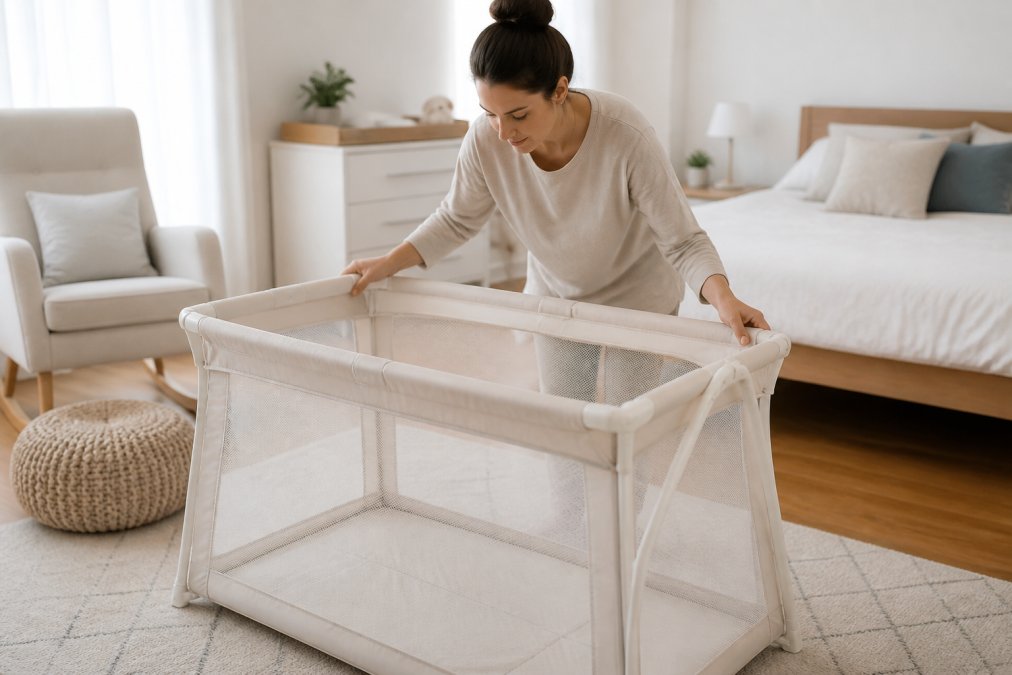
The best portable cribs fold to fit car trunks or closets, set up in under five minutes with no tools, and encourage consistent use over less safe alternatives.
Cotton Portable Cribs for Flexibility
Cotton portable cribs offer breathability and washability that synthetics cannot. The Modocam Kids Baby Removable And Washable Bed Crib Portable Crib Travel Bed at $26.96 provides a lightweight option with a bionic design that mimics the uterus.

Cotton construction means the removable outer jacket cleans easily while the inner core dries quickly, and cotton breathes better than synthetics that trap odors.
The compact 50x85cm footprint fits anywhere, and minimal weight makes it genuinely portable.
Mesh Bedside Sleepers and Play Yards
Mesh designs serve dual purposes: safe sleeping and supervised play. The Modocam Kids Foldable Baby Bed Net With Pillow Net 2pieces Set at $19.26 combines breathable mesh with included mattress and pillow.

Mesh construction provides visibility and airflow while preventing contact with hard surfaces, working for travel, outdoor use, and temporary setups.
These options excel for parents needing flexibility without commitment.
Convertible Cribs: From Newborn to Toddler
Quality convertible cribs use solid construction that withstands years of use and deliver better value across the entire childhood span despite higher upfront costs.
CPSC Crib Safety Regulations and What to Look For
All cribs sold in the United States must meet Consumer Product Safety Commission standards.
The CPSC requires specific mattress support, slat spacing (no more than 2 3/8 inches apart), and structural integrity (Crib Safety Tips). Fixed-side designs are mandatory; drop-side cribs are prohibited.
Look for CPSC compliance documentation rather than marketing claims. Reputable manufacturers provide safety test results and documentation.
Space-Saving and Nontoxic Materials: Long-Term Value
Portable and convertible options reduce the nursery footprint while maintaining safety, leaving room for changing tables, storage, and movement.
Nontoxic materials address off-gassing concerns from wooden finishes. Cotton and mesh alternatives eliminate this concern.
The Modocam Kids Crib Anti-pressure Newborn Foldable Portable Crib Middle Bed Baby Infant Mattress Bionic Travel Bed at $34.25 uses removable and washable cotton construction with no synthetic off-gassing.
The Resale and Disposal Advantage
Modern alternatives hold value better than wooden cribs. Portable cotton options appeal to second-hand buyers because they show less wear and require no refinishing.
Cotton portable cribs can be repurposed, the removable cover becomes a play mat or storage bag, and the frame folds for compact storage, extending lifecycle and reducing waste.
Baby Removable And Washable Bed Crib →
Wooden cribs, by contrast, are nearly impossible to repurpose. They're too large to adapt, too specific in function, and too heavy to move easily. If the finish is damaged or the crib is recalled, disposal often means paying a junk removal service or leaving it curbside.
Sustainable Material Sourcing
Sustainable materials increasingly matter to modern parents. Cotton is renewable and biodegradable. Metal frames are recyclable. These materials support circular economy principles, allowing products to be reused, repurposed, or responsibly disposed of at end-of-life.
When evaluating alternatives, ask the manufacturer about material sourcing. Reputable brands disclose whether their cotton is organic and what happens to products at end-of-life. This transparency indicates commitment to sustainability beyond marketing language.
The true environmental cost of a crib includes not just its manufacture but its disposal. A portable crib used for two children and then resold or recycled has a lower environmental footprint than a wooden crib used once and discarded.
Ergonomic and Maintenance Considerations for Parents
Crib design affects parent wellbeing more than most guides acknowledge. You'll access this furniture dozens of times daily for months. Poor ergonomics create chronic back and shoulder strain that compounds over time.
Adjustable mattress height settings matter significantly. Newborn positioning typically requires the mattress at its highest point, reducing bending. As your baby grows and becomes more mobile, lowering the mattress prevents dangerous climbing while keeping your back straighter during caregiving tasks.
Real-World Maintenance Protocols and Time Costs
Maintenance burden varies dramatically across options, and understanding the actual time and cost commitment prevents frustration and helps you choose options you'll actually maintain properly.
Wooden cribs require quarterly inspections for loose bolts, cracks, or finish damage. If the finish chips or peels, you must sand and refinish affected areas to prevent splinters and maintain safety. A full refinish takes 8-12 hours of labor plus drying time (24-48 hours depending on finish type). Professional refinishing costs $150-$400. Monthly cleaning involves wiping with a damp cloth only, never soaking wood, which takes 10 minutes.
Metal cribs require minimal maintenance. Weekly cleaning takes 5 minutes: wipe the frame with a damp cloth and dry immediately to prevent water spots. No refinishing needed. Inspect bolts monthly (2 minutes) to ensure they remain tight. Over a five-year period, a metal crib requires approximately 2.5 hours of total maintenance labor and zero refinishing costs.
Cotton portable cribs demand more frequent but simpler care. The removable outer cover should be hand-washed or machine-washed on gentle cycle monthly, taking 15 minutes of active time plus 2-4 hours drying. The inner mattress core can be spot-cleaned with mild soap and water (10 minutes) but should not be fully submerged. Inspect seams quarterly for stress points. Over five years, expect roughly 10 hours of active maintenance labor. Replacement covers cost $15-$25 if the original becomes damaged.
Mesh bedside sleepers fall between metal and cotton in maintenance. Wipe the frame weekly with a damp cloth (5 minutes). The mesh panels can be hand-washed quarterly or spot-cleaned as needed (15 minutes). No refinishing required. Bolts should be checked monthly. Total five-year maintenance: approximately 3 hours of labor, zero material costs.
Durability Across Material Types
Durability directly impacts maintenance frequency. Cotton portable cribs show visible wear (fading, slight pilling) after 3-4 years but remain functionally safe; the inner structure lasts longer than the outer cover.
Humidity and climate accelerate wooden crib degradation. In coastal regions or homes with high humidity, wooden cribs develop warping and mold risk within 3-4 years. Cotton alternatives are unaffected by humidity. This geographic factor alone makes non-wooden options significantly more durable in certain climates.
Long-Term Cost of Ownership
When you factor in maintenance labor and materials, the true cost of ownership shifts dramatically.
The Modocam Kids Baby Bumper Bed Braid Knot Pillow Cushion Bumper at $20.53 uses skin-friendly spandex crystal velvet that resists hair loss and maintains its appearance through regular use. It adapts to different crib designs, providing safety protection without requiring permanent modifications or refinishing.
Pro Tip
Choose based on your actual maintenance habits, not aspirational ones. If you won't hand-wash cotton components regularly, a metal or mesh option requires less active care and delivers better results over time.
How to Choose the Right Alternative for Your Nursery
Start by identifying your actual constraints, not your imagined ones. Do you travel frequently? Need secondary sleep spaces? Have limited square footage? Face humidity or climate challenges? Your answers determine which alternative serves you best.
Consider the duration of use.
| Crib Type | Best For | Key Advantage | Maintenance Level |
|---|---|---|---|
| Portable Cotton | Travel and flexibility | Washable, compact, affordable | Moderate (regular washing) |
| Mesh Bedside | Visibility and airflow | Safe co-sleeping alternative | Low (wipe clean) |
| Metal Frame | Modern aesthetic | Durable, non-warping | Low (wipe clean) |
| Convertible | Long-term value | Grows with child | Moderate (depends on materials) |
Frequently Asked Questions
What can be used instead of a traditional wooden crib?
Several alternatives to wooden cribs exist, including metal-frame models, portable cotton cribs, convertible designs, and bedside sleepers. Metal cribs offer durability and modern aesthetics. Portable cribs like the Crib Anti-pressure Newborn Foldable Portable Crib ($34.25) provide flexibility for travel and everyday use. Convertible cribs grow with your child from newborn to toddler bed, making them a long-term investment. Each option meets safety standards while offering different benefits like space-saving footprints or nontoxic materials.
Are metal baby cribs a safe alternative to wood?
Yes, metal baby cribs are a safe alternative when they meet CPSC crib safety regulations. The key is ensuring the crib has proper mattress support, secure fasteners, and meets all federal safety standards. Check that any metal crib you choose displays safety certifications and has no sharp edges or loose components.
Is a travel crib suitable for everyday use at home?
Portable travel cribs can work for everyday home use, especially for smaller nurseries or co-sleeping setups. Products like the Baby Removable And Washable Bed Crib ($26.96) feature removable, washable cotton materials and bionic uterus-simulation design that supports deep sleep. The Foldable Baby Bed Net ($19.26) offers breathable mesh for airflow and insect protection. However, travel cribs typically have weight limits and smaller footprints than full-size models, so they work best for infants rather than active toddlers. Consider your space and how long you plan to use the crib before choosing.
What should I look for in a nontoxic crib alternative?
When choosing a nontoxic crib alternative, prioritize products made from natural, breathable materials like cotton and avoid finishes with harmful chemicals. Look for certifications from safety organizations and verify that the mattress support system is sturdy. Portable cribs with removable, washable covers allow you to maintain hygiene easily. The Crib Anti-pressure Newborn model features cotton materials with hand-wash care instructions, making it a cleaner option for sensitive infants.

