

Cart
0
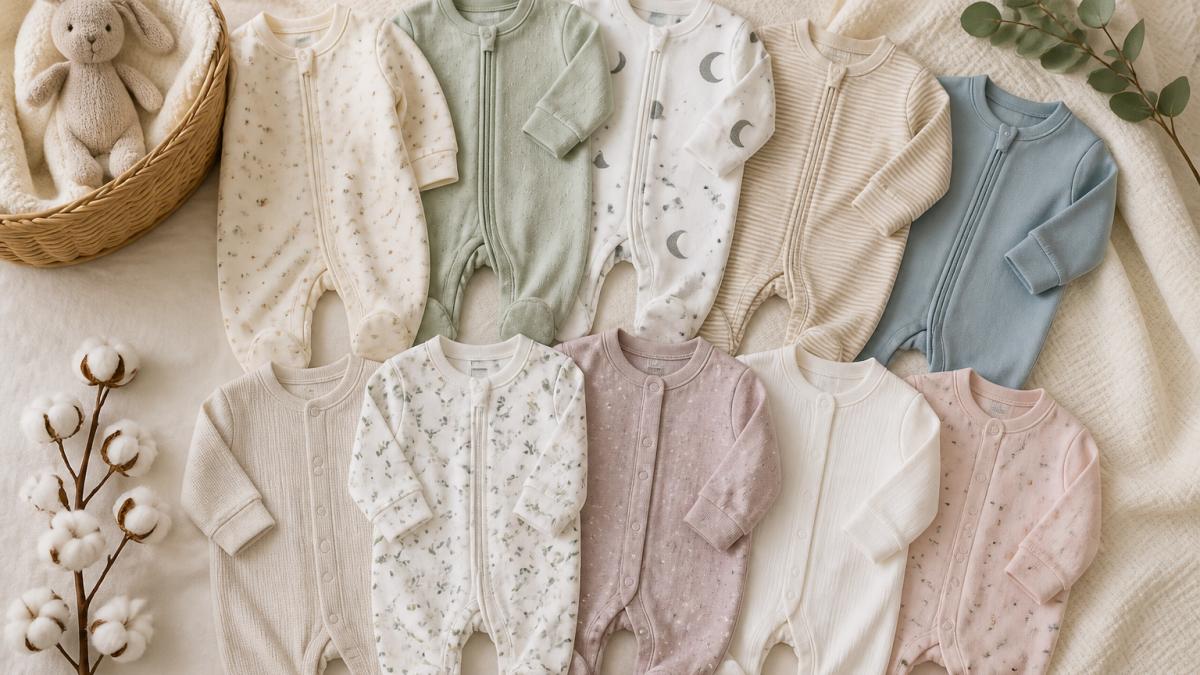
Table of Contents
- Why Eczema-Prone Skin Requires Special Sleepwear
- Quick Comparison Table
- Best Fabric for Baby Eczema: What to Look For
-
10 Best Baby Pajamas for Sensitive Skin
- 1. Autumn Thin Baby Pajamas and Baby Onesies
- 2. Baby Rompers Winter Autumn Clothes
- 3. Newborn Baby Onesies Baby Clothes Romper Baby Quilted
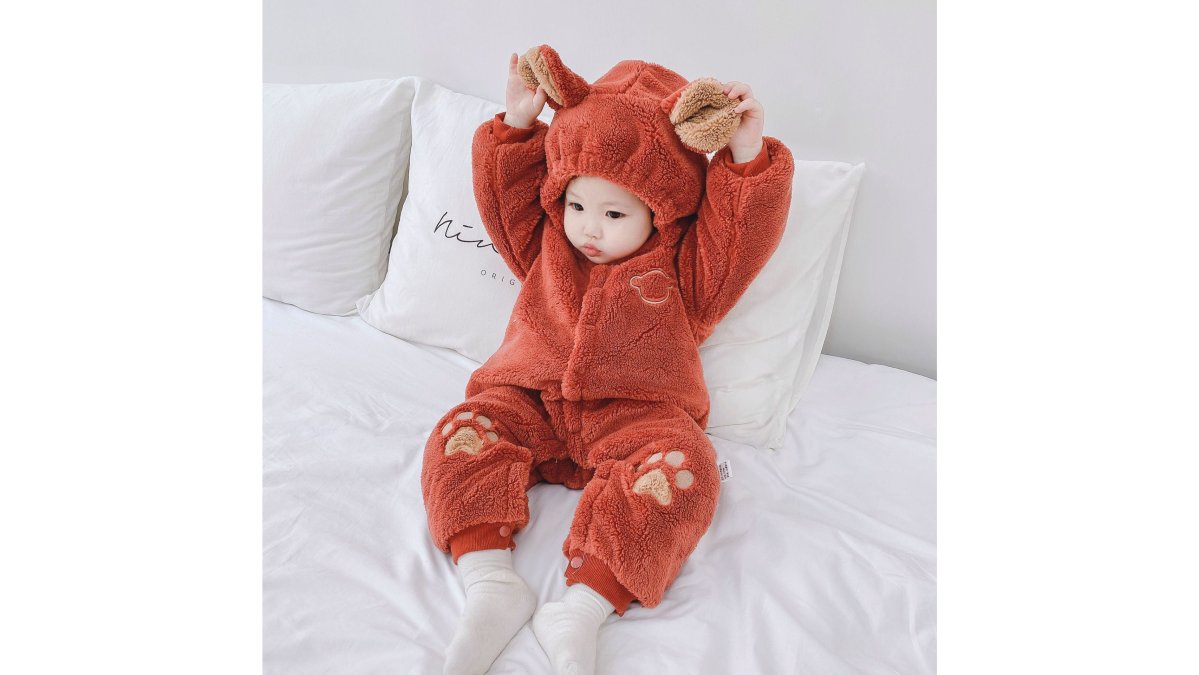
- 4. The New Cotton Padded Cotton Baby Romper Thickened Chinchilla Hooded Cotton Baby Onesies
- 5. Clothes Plus Cotton Onesies
- 6. Baby Clothes Baby Onesies Princess Romper
- 7. Baby Winter Romper
- 8. Newborn Clothes Winter Onesies Fall Winter
- 9. Baby Clothes Pajamas Climbing Clothes
- How to Wash Baby Clothes for Sensitive Skin
- Key Features to Look for in Baby Pajamas
- Temperature Regulation and Nighttime Comfort
- Frequently Asked Questions
Last Updated: October 1, 2026
Why Eczema-Prone Skin Requires Special Sleepwear
Babies with eczema or atopic dermatitis need pajamas designed with their skin barrier in mind. Standard baby clothes often contain irritants, rough seams, and synthetic materials that trigger flare-ups and nighttime itching. Finding the right sleepwear for sensitive skin goes beyond comfort, it directly impacts your baby's sleep quality and skin health.

Eczema-prone skin loses moisture easily and absorbs irritants faster than typical skin. When pajamas rub, overheat, or contain chemical finishes, the condition worsens and nighttime itching disrupts sleep. The right pajamas prevent these triggers with breathable, gentle fabrics, flat-lock seams, and tagless designs.
Laundry detergent, fabric softeners, and elastic bands contribute to flare-ups. Switching to pajamas designed for sensitive skin often brings relief within the first few nights.
Quick Comparison Table
| Feature | Why It Matters | Best Options |
|---|---|---|
| Fabric Type | Natural fibers reduce irritation | Organic cotton, bamboo viscose, TENCEL lyocell |
| Seam Construction | Flat-lock seams prevent friction | All items with trimmed, flat seams |
| Closure Style | Easy changes without irritating skin | Zippers, snaps, or open-leg designs |
| Thickness | Temperature regulation prevents overheating | Thin for summer, quilted for winter |
| Certifications | Third-party verification of safety | OEKO-TEX, GOTS, Class A standards |
Best Fabric for Baby Eczema: What to Look For
Organic cotton is often recommended for eczema-prone skin: soft, breathable, and pesticide-free. Bamboo viscose and TENCEL lyocell are also known for moisture-wicking properties, pulling sweat away.
Avoid polyester blends, synthetic fibers, and chemical finishes, they can trap heat and contain irritants. Look for "100% organic cotton" or "GOTS certified" labels to verify safety standards.
Flannel and rice velvet provide warmth without overheating in cooler months. Match thickness to season: general-weight for spring and autumn, thickened or quilted for winter.
Flat-lock seams sit flush against skin and won't rub raw spots. Tagless designs eliminate irritants. Confirm "all trimmed clean" in construction details.
10 Best Baby Pajamas for Sensitive Skin
1. Autumn Thin Baby Pajamas and Baby Onesies
Class A graded 100% cotton pajamas for newborns to one year old. Lightweight for spring and autumn. Long-climb design. Heights 59cm to 90cm. Eight colors available.
Pros: Pure cotton, lightweight, affordable at $14.51. Cons: Thin weight unsuitable for winter, requires full removal for diaper changes. Best for: Mild-weather months and mild eczema sensitivity.
OEKO-TEX certification standards for baby textiles
2. Baby Rompers Winter Autumn Clothes
100% cotton flannel rompers for heights 70cm to 100cm. Long sleeves. One-piece design.
Pros: Flannel cotton, versatile across seasons, wide height range. Cons: Too warm for summer, limited colors. Best for: Autumn and winter transitions.
3. Newborn Baby Onesies Baby Clothes Romper Baby Quilted
Rice velvet quilted onesies for ages 0-2 (59cm to 90cm). Flat seams with 12-14 stitches per 3cm and clean trimming.
Pros: Quilted warmth, flat seams, $20.33. Cons: May overheat in spring, higher price. Best for: Winter sleepwear for moderate to severe eczema.
Pro Tip
Rice velvet requires gentle washing, use cool water and mild detergent designed for sensitive skin to maintain the fabric's softness and moisture-wicking properties.
4. The New Cotton Padded Cotton Baby Romper Thickened Chinchilla Hooded Cotton Baby Onesies
Thickened cotton hooded romper for 6-18 months (66cm to 90cm). Cotton padding. Long sleeves and single-breasted closure.
Pros: Hooded, thickened cotton padding, $18.97. Cons: May overheat in mild weather, limited seasonal use. Best for: Cold-weather months.
5. Clothes Plus Cotton Onesies
95% cotton with a hood that cannot be removed and zipper closure. Ages 0-2 (66cm to 100cm). Trimmed seams, thickened for winter. Three colors available.
Pros: Zipper closure, 95% cotton, $19.96. Cons: Zipper risk, unsuitable for warm weather. Best for: Winter with frequent nighttime changes.
Watch Out
Check the zipper mechanism carefully before each use. A stuck or misaligned zipper can pinch skin during changes. Test the zipper on your own arm first to ensure smooth operation.
6. Baby Clothes Baby Onesies Princess Romper
Thickened cotton blend with Korean styling. Long sleeves and dark buckle closure. Suitable heights range from 59cm to 90cm, accommodating newborns through older infants. Available in soft pink and light blue.
The cotton blend composition and thickened fabric provide seasonal warmth. The dark buckle closure. The princess-inspired design.
Pros: Cotton blend, thickened for warmth, gentle buckle closure, stylish design, suitable wide age range, $20.55
Cons: Buckle closure may be slower than zippers during nighttime changes, thickened weight limits seasonal versatility, premium pricing
Best for: Parents wanting fashionable winter pajamas with secure closures and cotton-blend breathability
7. Baby Winter Romper
100% cotton construction with flat car stitch pitch of 12-14 stitches per 3cm. Thicker weight suits winter months. Suitable for heights from 73cm to 100cm, covering babies from 6 to 18 months. All excess thread ends are trimmed clean.
The all-cotton composition and meticulous seam construction. The thicker weight provides insulation. The neutral construction.
Baby clothes pajamas climbing clothes →
Pros: 100% cotton, flat seams with clean trimming, thicker weight for winter, wide height range, $19.13
Cons: Limited to winter use, minimal design options, no hood or special closures for convenience
Best for: Parents prioritizing pure cotton construction and professional seam quality for winter months
8. Newborn Clothes Winter Onesies Fall Winter
Rabbit fur fabric composition provides softness and warmth for winter months. Casual styling in three cheerful colors: Polar bear pink, yellow, and blue. Suitable for newborns from 3 to 12 months, with sizes from 59cm to 80cm.
The rabbit fur material offers natural insulation and breathability. The casual long-climb design. This option suits parents seeking natural-fiber alternatives to conventional cotton.
Pros: Rabbit fur for softness, natural insulation, casual styling, suitable for newborn through 12-month range, $17.80
Cons: Rabbit fur may be too warm for mild winters, limited height range for older infants, specialized fabric requires careful washing
Best for: Parents seeking natural-fiber pajamas for winter use and babies with severe eczema requiring ultra-soft materials
9. Baby Clothes Pajamas Climbing Clothes
Polyester construction. General thickness suits multiple seasons. Available in size range from 66cm to 90cm. The climbing-style design. At $15.93, this represents a budget-friendly option.
While polyester typically isn't recommended for eczema-prone skin, this option works for babies with mild sensitivity or as a secondary set for playtime. The general weight means it functions across seasons.
Pros: Affordable option, durable polyester, general weight for versatility, wide size range, easy machine washing
Cons: Polyester not ideal for sensitive skin, synthetic material may trigger eczema flare-ups, lacks natural breathability of cotton alternatives
Best for: Budget-conscious parents with babies who have mild eczema or as secondary pajamas for daytime climbing activities
How to Wash Baby Clothes for Sensitive Skin
Washing technique can be important when managing eczema-prone skin. Use a gentle detergent specifically formulated for sensitive skin or babies, these products often exclude dyes, perfumes, and harsh chemicals that can trigger flare-ups. Avoid fabric softeners; they can coat fibers and reduce breathability.
Wash pajamas separately from adult clothing to prevent cross-contamination with regular detergent residue. Use cool or warm water, never hot, which can irritate skin. Select the gentle or delicate cycle on your washing machine. Double-rinse all items to remove detergent residue, this can help prevent nighttime itching episodes.
Dry pajamas on low heat or hang-dry to preserve fabric integrity and prevent shrinking. High heat can damage delicate fibers and set in any remaining irritants. Avoid dryer sheets and wool dryer balls, which can leave residue. If you use dryer balls, choose wool ones and ensure they're unscented.
American Academy of Dermatology guidance on atopic dermatitis management
Inspect seams and closures before each wash. Loose threads or fraying edges can potentially irritate skin during sleep. Trim any loose threads carefully. Check zippers and snaps for damage that might pinch delicate skin.
Key Features to Look for in Baby Pajamas
When evaluating 10 comfortable baby pajamas for sensitive skin, prioritize these non-negotiable features. First, examine the fiber content. Look for "100% organic cotton," "GOTS certified," "TENCEL lyocell," or "bamboo viscose" in product descriptions. Avoid blends containing polyester, acrylic, or synthetic fibers.

Second, inspect seam construction. The product listing should state "flat-lock seams," "flat car stitch," or similar descriptions.
Temperature Regulation and Nighttime Comfort
Temperature management can impact eczema severity. Babies with eczema may overheat easily, potentially triggering intense itching that disrupts sleep. Conversely, inadequate warmth can cause stress responses that may also worsen skin conditions. The goal is thermal comfort, not too hot, not too cold.
Key Takeaway
The ideal pajama prevents both overheating and inadequate warmth, the two triggers that worsen eczema during sleep. Moisture-wicking fabrics and appropriate seasonal weight are non-negotiable.
Frequently Asked Questions
What are the best baby pajamas for sensitive skin?
The best baby pajamas for sensitive skin are made from soft, breathable natural fibers like cotton or cotton blends. Look for tagless designs, flat-lock seams, and hypoallergenic materials that minimize friction and irritation. Cotton pajamas like the Autumn Thin Baby Pajamas offer Class A fabric quality suitable for newborns, while options with long sleeves provide thermal comfort without overheating.
What is the best fabric for baby eczema?
Cotton is often recommended for baby eczema. It's breathable, soft, and gentle on inflamed skin. Flannel cotton, like found in the Baby Rompers Winter Autumn Clothes, offers extra softness. Avoid synthetic fabrics that can trap moisture and heat, which may trigger flare-ups. Look for 100% cotton or high-percentage cotton blends (95%+) certified for infant wear.
How should I wash baby clothes for sensitive skin?
Use fragrance-free, hypoallergenic detergent designed for sensitive skin and wash in warm water. Avoid fabric softeners and dryer sheets, which can leave residue that may irritate eczema-prone skin. Rinse twice to remove detergent. Dry on low heat or air-dry to prevent damage to delicate fibers. Wash new pajamas before the first wear to remove manufacturing chemicals and finishes.
Are tagless baby pajamas really better for sensitive skin?
Yes, tagless designs can eliminate a source of friction and irritation. Traditional tags may rub against your baby's neck and shoulders throughout the night, potentially triggering itching and flare-ups. Tagless pajamas like many options available can reduce nighttime discomfort and allow your baby to sleep more peacefully without constant irritation from seams or labels.

