

Cart
0

Table of Contents
- Essential Gear for Newborn and Toddler: What You Actually Need
- Newborn Sleeping Essentials That Support Safe Rest
- How to Choose Baby Feeding Bottles and Nursing Supplies
- Diapering, Hygiene, and First Aid Basics
- Minimalist Baby Gear Checklist for Intentional Parenting
- Best Baby Gear for Two Under Two: Managing Multiple Ages
- Toddler Feeding Supplies Guide and Developmental Transitions
- Sustainable Gear Disposal and Resale for Small Spaces
- Frequently Asked Questions
Last Updated: September 26, 2026
Essential Gear for Newborn and Toddler: What You Actually Need
When your first baby arrives, the pressure to buy everything is overwhelming. The reality is simpler: most parents end up using about 20% of what they purchase.
Essential gear for newborn and toddler doesn't mean owning the most products, it means owning the right ones.
This guide breaks down the gear that actually earns its place in your home, organized by category and life stage, helping you distinguish between must-haves and nice-to-haves.
Newborn Sleeping Essentials That Support Safe Rest
Safe sleep is non-negotiable for newborns. The right setup prevents common hazards while supporting the deep sleep babies need during their first months.
A firm, flat crib mattress is the foundation. Avoid soft surfaces, pillows, bumpers, or blankets in the crib, these increase suffocation risk. The mattress should fit snugly so nothing can slip between it and the crib walls.
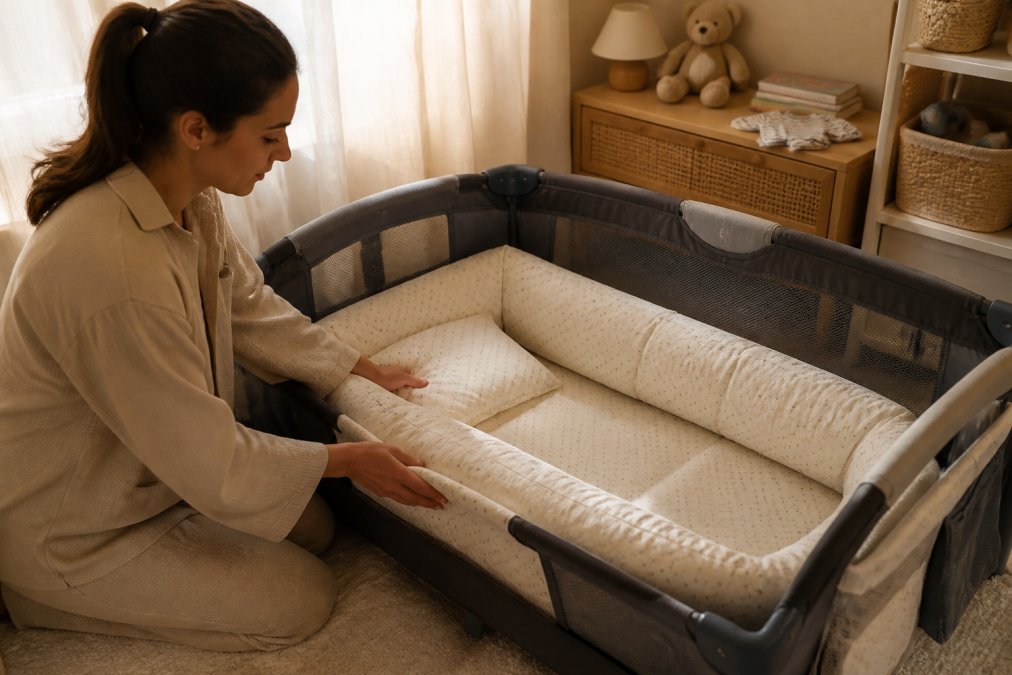
The Crib Anti-pressure Newborn Foldable Portable Crib ($34.25) features a bionic structure that mimics the womb and reduces how often babies need to be held. Its removable, washable cotton covers simplify cleanup, and anti-pressure padding protects against flat spots on the skull.

Swaddling helps newborns feel secure and reduces the startle reflex. A cotton swaddle blanket or sleep sack works better than traditional blankets because it stays in place and eliminates loose fabric hazards.
Temperature control matters significantly. Overheating increases SIDS risk (the CDC). A room temperature between 68-72°F is ideal, with your baby wearing only one layer more than you.
Portable Cribs and Travel Beds
Portable cribs solve a real problem: you can't always keep your baby in the main bedroom. A quality portable option gives you flexibility without compromising safety.
The Baby Removable And Washable Bed Crib Portable Crib Travel Bed ($26.96) offers cotton construction and a compact fold. The removable design lets you wash the entire bed when needed, which happens frequently in the first year.

Consider whether you need something that fits in a backpack or car. Some portable cribs are bulkier but more stable; others fold down to backpack size but take longer to set up.
Crib Safety and Comfort Accessories
A U-shaped pillow provides neck support without suffocation risk. The Infant Pillow Baby Bed U-Shaped Safety Seat Neck Guard ($14.10) prevents the head from rolling to unsafe positions during sleep or stroller rides.
A bed bumper protects against limbs getting caught between crib slats. The Baby Bumper Bed Braid Knot Pillow Cushion Bumper ($20.53) uses skin-friendly spandex crystal velvet and adapts to different crib shapes.
Breathable crib liners reduce the risk of entrapment while allowing airflow. The Foldable Baby Bed Net With Pillow Net 2pieces Set ($19.26) provides mesh protection from dust, insects, and sun exposure. Its foldable design makes it practical for travel, and it includes a mattress and pillow, creating a complete portable sleep system.

How to Choose Baby Feeding Bottles and Nursing Supplies
Feeding is where many parents over-invest. Focus on what works for your baby and your schedule.
Eight to ten bottles work for exclusive bottle feeding; four to six for combination feeding. Glass doesn't retain odors but is heavier and breakable. Plastic is durable and affordable.
Newborns need slow-flow nipples that require active sucking. As babies grow, faster flows prevent frustration. Switching too early causes overfeeding; waiting too long creates resistance.
Boiling bottles for five minutes works as well as any electric sterilizer. Most modern bottles are dishwasher-safe.
A nursing bra with easy access is essential. Nursing pads prevent leaks. Nipple cream helps with soreness. A breast pump is essential only if you plan to return to work or build a backup supply.
Baby Removable And Washable Bed Crib →
Diapering, Hygiene, and First Aid Basics
Diaper changes happen twelve to fifteen times daily. Your setup needs to be efficient and safe.
A changing table or dresser with a padded top works well, but a changing pad on a regular surface is equally functional and takes less space. Keep supplies within arm's reach.
Stock diapers in multiple sizes, wipes, diaper cream, and a trash bin. Cloth diapers require laundry management; disposables are more convenient for most families.
A basic first aid kit should include a bulb syringe, rectal thermometer, antiseptic wipes, sterile gauze, antibiotic ointment, and nasal aspirator. These items cost little but prevent unnecessary emergency room visits.
Keep your pediatrician's number and your local poison control number accessible.
Minimalist Baby Gear Checklist for Intentional Parenting
The minimalist approach means owning fewer items that serve multiple purposes and genuinely improve daily life. This reduces clutter, saves money, and makes parenting easier.
Must-Have vs. Nice-to-Have Items
Must-haves for essential gear for newborn and toddler solve real problems or address safety concerns. Everything else is optional.
| Category | Must-Have | Nice-to-Have |
|---|---|---|
| Sleep | Firm crib mattress, fitted sheets | Bumper pads, fancy bedding sets |
| Feeding | Bottles or nursing supplies | Bottle warmer, sterilizer |
| Diapering | Diapers, wipes, changing surface | Diaper pail, warming wipes |
| Clothing | Onesies, sleepers, socks | Themed outfits, multiple styles |
| Transport | Car seat, stroller | Stroller organizer, cup holder |
| Play | Age-appropriate toys | Excessive toy collection |
Budget-Friendly vs. Investment Pieces
Some gear justifies a premium price because it lasts through multiple children or performs significantly better. Other items are commodities where price differences reflect marketing.
Best Baby Gear for Two Under Two: Managing Multiple Ages
Parenting two young children simultaneously requires gear that serves both ages and minimizes duplication. Your strategy shifts from optimizing for one child to creating systems that work across developmental stages.
Toddler Feeding Supplies Guide and Developmental Transitions
As your baby becomes a toddler (around twelve months), feeding shifts from bottles or nursing to solid foods and self-feeding. This transition requires different gear and a different mindset.
Sustainable Gear Disposal and Resale for Small Spaces
Once gear is outgrown, you face a choice: donate, resell, or store. For parents in small spaces or those managing multiple children, resale is often the practical solution.
Frequently Asked Questions
What are the top 10 essential items for a newborn baby?
The core essentials include a safe sleep surface (portable crib or bassinet), breathable bedding with washable covers, feeding supplies (bottles or nursing gear), diapers and wipes, a bulb syringe and nasal aspirator for congestion, swaddles and sleepers, burp cloths, a rectal thermometer and first aid kit, and a car seat for safe transport. Beyond these, a baby carrier for hands-free caregiving and age-appropriate developmental toys round out the foundation. Focus on safety-certified items and items you'll use daily rather than novelty gear.
How do you transition gear from a newborn to a toddler?
Newborns need flat sleeping surfaces and portable cribs for safety and mobility; toddlers graduate to convertible car seats and activity centers for developmental play. Feeding supplies shift from bottles or nursing to sippy cups and toddler-safe utensils around 12 months. Clothing transitions from onesies and sleepers to more independent dressing options. Strollers designed for newborns often convert to toddler configurations. Investing in convertible, multi-functional pieces early saves money and storage space, especially when managing two under two.
What baby gear is actually worth the investment?
Prioritize items your baby uses daily and for extended periods: a high-quality convertible car seat (used from birth through toddlerhood), a durable stroller system that grows with your child, ergonomic carriers that reduce parent strain, and a safe crib or portable sleep surface with quality bedding. Washable, multi-functional pieces like portable cribs with removable covers and convertible feeding setups justify premium pricing through durability and longevity. Budget items work fine for occasional use (travel nets, temporary bumpers), but daily-use essentials should prioritize safety standards and longevity over price.
How do I know if baby gear is durable and safe?
Look for products with removable, washable covers that withstand repeated cleaning without degradation, a key durability indicator. Check for safety certifications relevant to the product type (car seats, cribs, carriers). Read reviews specifically mentioning long-term use and how the item held up after months or years. Premium retailers like Modocam Kids curate products for safety and durability, displaying safety details upfront rather than burying them. Test ergonomic features yourself when possible; poor design fails within weeks, while well-engineered items maintain comfort and function through multiple children.
What gear works best for small spaces and urban living?
Foldable, portable cribs with compact storage footprints replace traditional full-size cribs in apartments. Multi-functional pieces like convertible car seats and stroller systems that adapt to different ages reduce the need for multiple items. Vertical storage solutions and wall-mounted organizers maximize nursery space. Lightweight carriers and compact strollers suit urban environments better than bulky systems. Choosing a minimalist approach, focusing on high-rotation items and multi-use pieces, prevents clutter while maintaining safety and functionality.
How should I clean and maintain washable baby gear?
Most washable covers and bedding should be cleaned in warm water (around 30 degrees Celsius or 86 degrees Fahrenheit) using gentle cycles. Hand-wash delicate items like embroidered covers and hang to dry rather than machine drying to extend fabric life. Wash new items before first use to remove manufacturing residue. Separate baby gear from other laundry to avoid cross-contamination. For items like portable cribs and bumpers, check manufacturer guidelines, many specify hand washing outer jackets while inner cores can air dry. Regular cleaning maintains hygiene and prevents fabric degradation that signals durability failure.
Can I resell or donate baby gear after my children outgrow it?
Yes, quality gear retains resale value, especially items in good condition with minimal wear. Platforms like Facebook Marketplace, Craigslist, and specialty resale sites for children's gear make selling accessible. Donations to local charities, shelters, or community organizations support families in need while providing a tax deduction. Before reselling, ensure items meet current safety standards and include original documentation or safety certifications. High-quality, durable pieces from reputable brands like Modocam Kids often attract buyers willing to pay 40-60% of original retail, making them smart investment choices for budget-conscious parents.

