

Cart
0
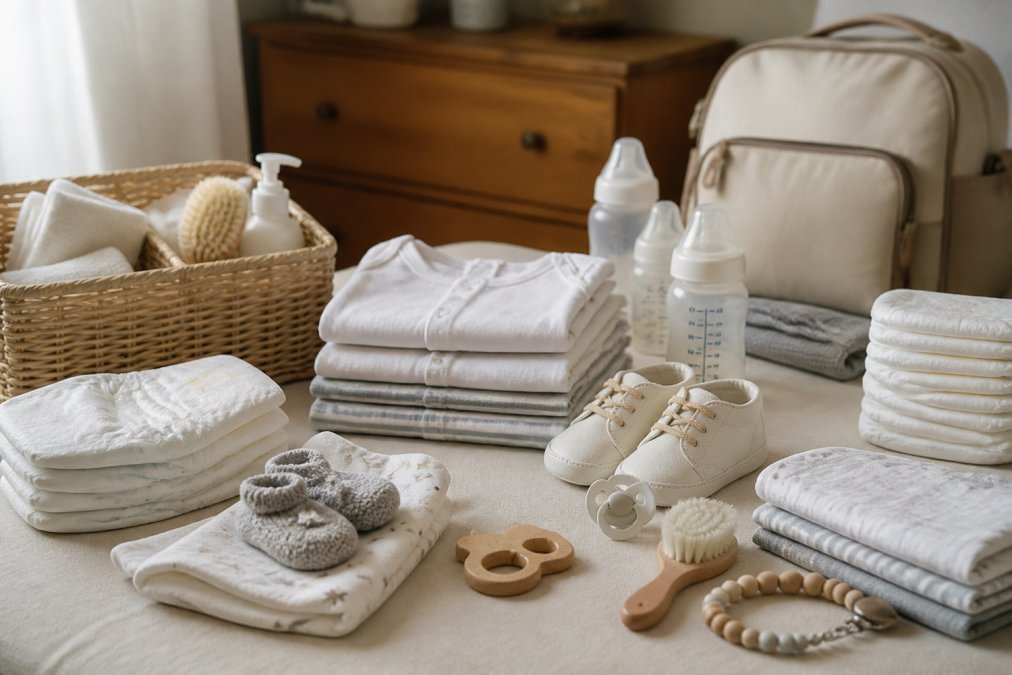
Table of Contents
- Newborn Essentials Checklist for First Time Moms: What Actually Lasts
- How to Choose Safe Baby Equipment: Standards That Matter
- Best Durable Baby Strollers for 2026: Two-Way and Lightweight Options
- Sleep and Swaddle Essentials That Hold Up
- Feeding and Diapering Gear Built for Daily Use
- Storage and Space-Saving for Small Homes
- Maintenance and Cleaning Protocols for Long-Lasting Gear
- Frequently Asked Questions
Last Updated: September 15, 2026
Newborn Essentials Checklist for First Time Moms: What Actually Lasts
A durable newborn essentials list for first time moms should be short and built around gear that survives daily use for years, not months. This guide covers the newborn essentials that hold up, how to read safety certifications, and where to save space in a small home.
The case for buying fewer, better things is straightforward: a stroller that lasts from birth through the toddler years replaces two or three cheap ones, and a crib mattress with a waterproof cover survives blowouts without sagging.
Quick Picks:
- Best Overall Stroller: Two-way Newborn Baby Stroller Portable Folding, reversible seat, aluminum frame, $283.33
- Best Lightweight Option: Lightweight Folding Baby Stroller, linen fabric, removable handrail, $121.31
- Best Sleep Pick: Baby Swaddle Sleeping Bag Cotton Quilt Wrap, moisture-absorbing cotton, $16.10
| Category | What Lasts | Why It Matters |
|---|---|---|
| Sleep | Swaddle, crib mattress, waterproof cover | Used 12+ hours daily |
| Feeding | Silicone tableware, bottle brush | Washed multiple times per day |
| Diapering | Washable changing pad, diaper pail | Constant rotation |
| Travel | Infant car seat, folding stroller | Outgrown fastest if cheap |
| Health | Nasal aspirator, bulb syringe, first aid kit | Rarely used, must work when needed |
How to Choose Safe Baby Equipment: Standards That Matter
Safe baby equipment is gear that meets current federal safety rules, uses materials that survive repeated washing, and has no open recalls. Durability and safety are the same conversation: a cracked buckle, a stretched harness, or a foam insert that crumbles after six months is a safety failure, not just a cosmetic one. The Consumer Product Safety Commission guidance on infant products is the first place to check before buying any sleep or travel item.

The Federal Rules Behind the Labels
Most durable newborn essentials fall under mandatory CPSC rules, and knowing the rule name makes it easy to verify a product.
- Cribs and crib mattresses must meet the CPSC crib standards (16 CFR Part 1219/1220) and the full-size crib mattress rule (16 CFR Part 1241), which sets firmness and dimensional requirements. A mattress that is too soft or undersized is a suffocation and entrapment risk.
- Infant sleepers, bassinets, and bedside sleepers fall under 16 CFR Part 1218 and Part 1222. These rules exist because inclined sleepers and soft-sided sleepers were linked to infant deaths, which is why the current CPSC safe sleep recommendations require a firm, flat surface with no soft bedding, no bumpers, and no inclined positioning.
- Car seats must meet Federal Motor Vehicle Safety Standard 213 (FMVSS 213), and every seat sold in the U.S. carries a conforming label. A seat in any crash must be replaced, even if it looks fine, because the shell and harness can be compromised invisibly.
- Strollers and travel systems fall under 16 CFR Part 1227, covering hinge and folding-mechanism entrapment hazards, the rule that made older umbrella strollers with exposed scissor hinges obsolete.
- Baby bottles, tableware, and feeding items are governed by FDA food-contact rules and the federal ban on BPA in baby bottles and sippy cups. Food-grade silicone marked BPA-free is the practical standard; Food-grade silicone marked BPA-free is the practical standard; our silicone tableware is labeled food-grade and free of BPA, PVC, and phthalates.
Certifications, Materials, and What Actually Predicts Longevity
Look for a juvenile product manufacturer code and a date of manufacture on the label. That code is how you check for recalls and judge whether a hand-me-down is past its safe service life. Juvenile products have no universal expiration date, but manufacturers publish a usable range, and plastics, harnesses, and foam degrade with heat and UV exposure.
Materials matter more than marketing, and they predict durability as much as safety:
- Cotton and linen fabrics breathe, tolerate repeated hot washes, and do not pill like low-grade blends, the right choice for swaddles, crib sheets, and changing pad covers.
- Aluminum frames resist rust and hold up in humid climates where steel frames pit and seize.
- Rubber and EVA wheels resist flat-spotting; foam wheels compress and wobble within a season of daily use.
- Food-grade silicone resists staining, does not absorb flavors, and survives dishwasher and microwave cycles without cracking.
- Polyester fiber fillings hold shape through washing; cheap foam and glued laminates fall apart first.
Watch Out
A common mistake is buying a used crib mattress or a used car seat. Both have hidden failure points, a mattress loses firmness invisibly, and a car seat involved in any crash must be replaced. The savings rarely justify the risk, and neither item can be verified as safe from a photo.
A Five-Minute Pre-Purchase Check
Before buying any sleep, travel, or feeding item, run this sequence:
- Search the CPSC recall database by brand and model.
- Confirm the product meets the applicable 16 CFR rule or FMVSS 213 for car seats.
- Check that the label shows a manufacturer code and date of manufacture.
- Confirm replacement parts (straps, covers, wheels, mattress covers) are sold separately, a product with no replacement parts is a product you will replace entirely.
- Read the care instructions. If a fabric cannot be machine washed or a silicone item cannot go in the dishwasher, it will not survive daily newborn use.
That last step is the durability test most buyers skip. Gear that is hard to clean gets cleaned less, and gear that is cleaned less fails sooner.
Best Durable Baby Strollers for 2026: Two-Way and Lightweight Options
The best durable baby strollers for 2026 balance frame material, wheel type, and fold mechanism. Aluminum frames resist rust, rubber wheels handle pavement without flattening, and a reversible seat extends usable life from newborn through toddler.
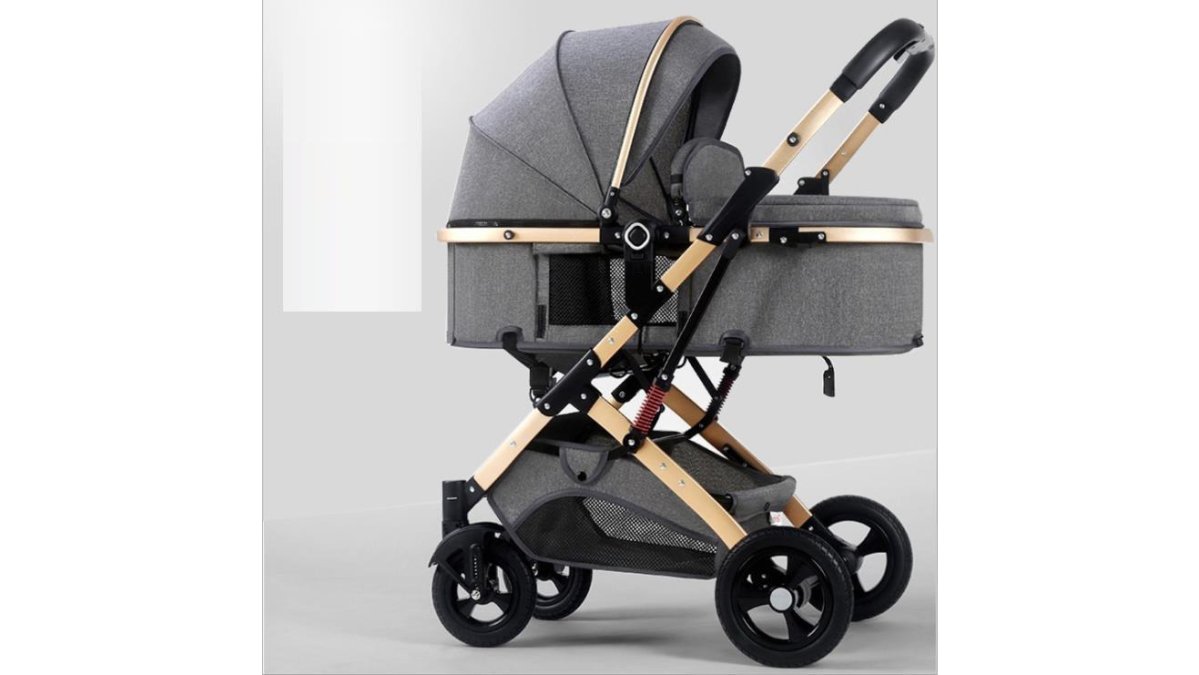
Two-Way Newborn Baby Stroller Portable Folding
Our top pick for parents who want one stroller for the long haul. The aluminum alloy frame has rubber wheels, and the reversible seat faces you for newborn months, then forward once your baby wants to see the world. Rated 0 to 36 months, it covers the entire stroller years in one purchase.
What works: The aluminum frame resists the rust that kills steel frames in humid climates, and rubber wheels do not flat-spot like foam.
What doesn't: The reversible mechanism adds bulk when folded. If you live in a walk-up apartment, measure your doorway first.
Lightweight Folding Baby Stroller
For quick errands and travel, the Lightweight Folding Baby Stroller is the practical choice.
| Stroller | Price | Frame | Best For |
|---|---|---|---|
| Two-way Newborn | $283.33 | Aluminum alloy, rubber wheels | One stroller, birth to 3 years |
| Lightweight Folding | $121.31 | Linen fabric, swivel front wheels | Travel and quick errands |
Sleep and Swaddle Essentials That Hold Up
Pro Tip
Buy two swaddles, not one. One is always in the wash, and a backup at 3 a.m. is worth more than any single premium purchase you will make.
Feeding and Diapering Gear Built for Daily Use
| Item | Price | Material | Daily Use |
|---|---|---|---|
| Silicone Feeding Bowl Plate Set | $25.31 | Food-grade silicone | 3+ times daily |
| Silicone Feeding Tableware Set | $21.01 | Food-grade silicone | 3+ times daily |
| Diaper Backpack with Bottle Storage | $29.52 | Nylon, 16kg max load | Every outing |
Storage and Space-Saving for Small Homes
The Real Cost of Single-Stage Gear
Multi-Stage Gear: The Only Real Space Saver
Key Takeaway
If an item only works for one age range, it costs you storage space twice: once while you own it and once after your baby outgrows it. Multi-stage gear is the real space saver, and in a small home it is also the real money saver.
A Small-Space Setup That Actually Fits
Maintenance and Cleaning Protocols for Long-Lasting Gear
Frequently Asked Questions
What are the most durable baby gear items worth the investment?
Focus on items used daily for years: a stroller with a sturdy aluminum frame, a crib mattress with waterproof covers, and feeding sets made from food-grade silicone. These newborn essentials withstand constant use and can be passed down. Look for reinforced seams, non-toxic materials, and parts that are easy to replace or clean. Durability often comes down to construction quality, not just price.
How do I choose newborn essentials that will last for multiple children?
Prioritize items with neutral colors, adjustable sizing, and materials that survive repeated washing. A sleep sack and swaddle that fit a range of sizes, a stroller rated for 0-36 months, and a diaper backpack with reinforced straps all work for years. Check that fabrics are machine washable and that hardware like zippers and buckles are metal, not plastic. These choices make hand-me-downs realistic.
What safety standards should I look for in durable baby equipment?
In the U.S., check for compliance with Consumer Product Safety Commission (CPSC) regulations. For car seats, look for FMVSS 213 compliance. For feeding products, FDA-approved food-grade silicone is a good sign. Avoid crib bumpers unless they meet current safe-sleep guidelines, and always follow weight and age limits. Safety labels should be visible on the product or packaging.
Are premium baby essentials actually more cost-effective in the long run?
Often, yes. A $283 stroller that lasts three years and two children costs less per use than a $120 stroller replaced every year. Premium items typically use better materials, offer replaceable parts, and hold resale value. The key is to invest in high-rotation items like strollers, cribs, and feeding sets, while saving on low-use items like newborn clothes that are outgrown quickly.
What newborn items are worth buying new versus secondhand?
Buy new: car seats, crib mattresses, bottle nipples, and breast pumps, because safety and hygiene degrade with use. Secondhand is fine for strollers, crib frames, and clothing if you inspect for recalls, missing parts, and wear. Always check the CPSC recall list before accepting used gear. For items like swaddles and sleep sacks, new ensures the fabric hasn't lost its shape or softness.

