

Cart
0
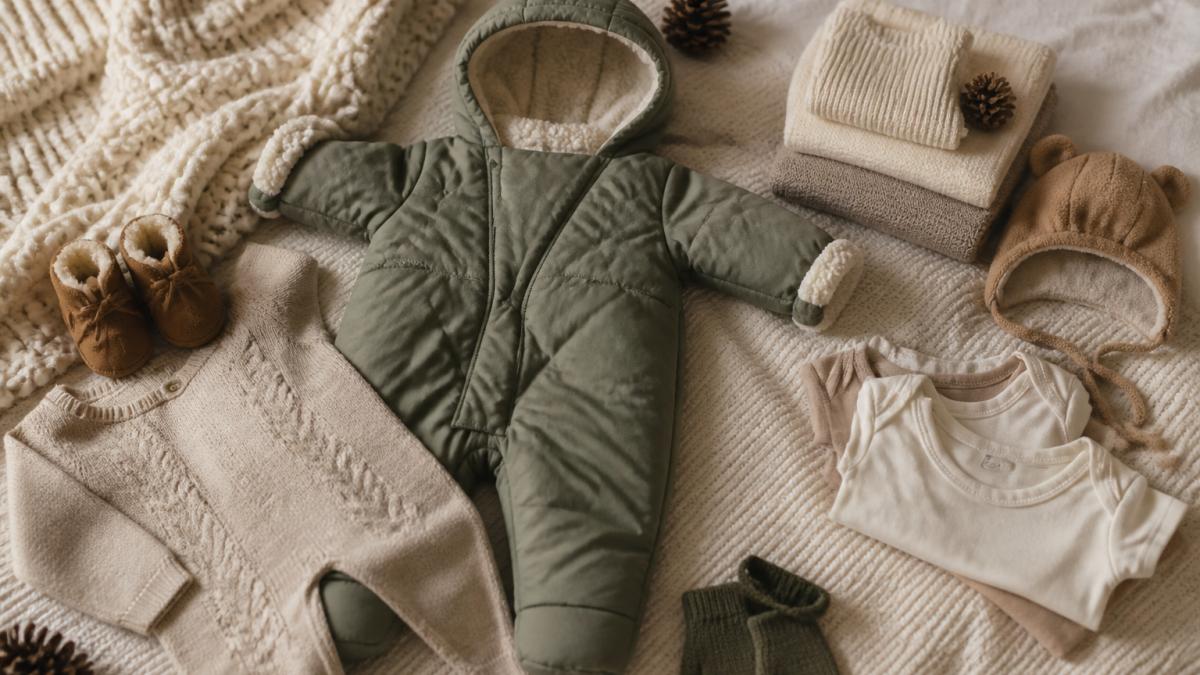
Table of Contents
- Why Organic Baby Clothes Matter for Cold Weather
- How to Dress a Baby for Winter: A Layering Strategy
- Organic Cotton Baby Clothes: Why This Fabric Wins in Winter
- Baby Winter Clothing Essentials: One-Piece Garments and Beyond
- Safe Winter Dressing for Car Seats and Strollers
- Organic Baby Clothes Washing and Care for Longevity
- Sizing, Fit, and Room to Grow
- Building Your Winter Wardrobe: Budget and Quality
- Frequently Asked Questions
Last Updated: October 8, 2026
Why Organic Baby Clothes Matter for Cold Weather
Winter brings unique challenges for dressing babies: cold temperatures, dry air, and bulky clothing all create problems for sensitive skin. Organic baby clothes for cold weather solve these issues by combining natural fabrics with thoughtful design that keeps babies warm without irritation.

Organic cotton and other natural fibers breathe better than synthetics.
At Modocam Kids, we know parents want the best for their infants. Choosing organic baby clothes for cold weather isn't just about comfort, it's about safety, durability, and peace of mind.
The real advantage of organic materials shows up over time. Babies spend most of their day in clothing, and synthetic fabrics trap moisture and heat, leading to rashes and discomfort.
How to Dress a Baby for Winter: A Layering Strategy
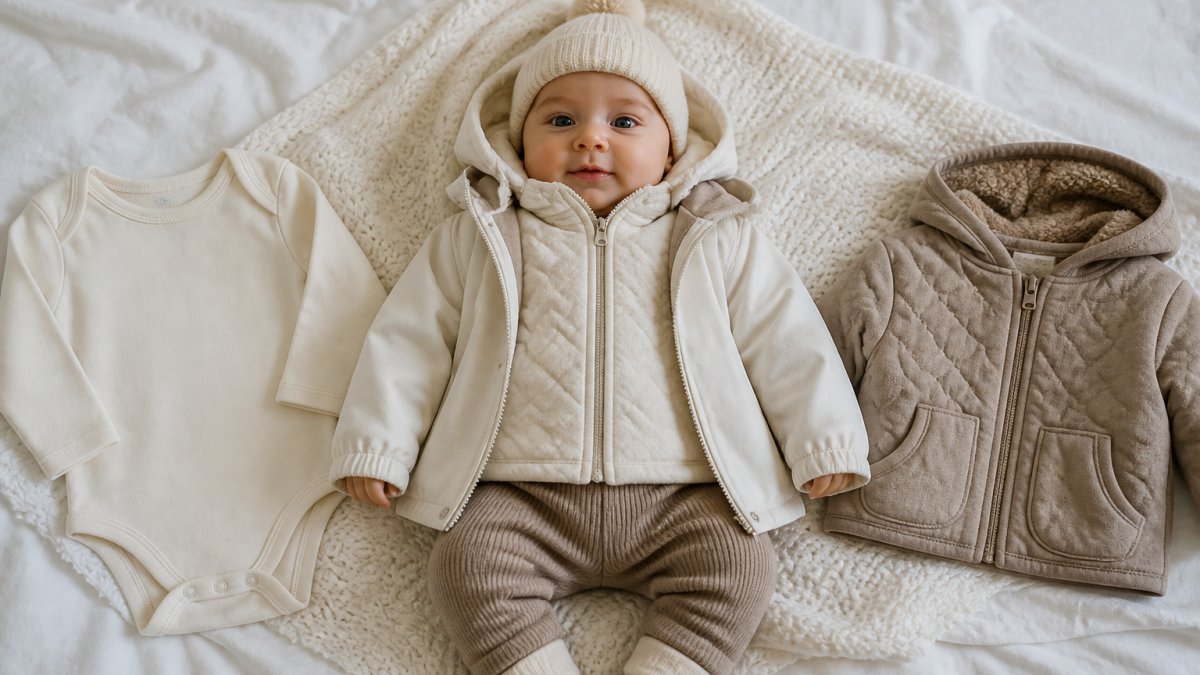
The key to winter dressing isn't adding more clothes, it's adding the right layers. A three-layer system works best: moisture management, insulation, and wind protection.
Base Layer: Start with Breathable Foundations
The base layer sits directly against your baby's skin, where organic baby clothes for cold weather make the biggest difference. A breathable base layer pulls moisture away from skin and prevents the clammy feeling that leads to chilling.
Organic cotton works best for base layers because it's naturally soft and breathable. Long-sleeve bodysuits and footies keep your baby's core warm while allowing air circulation. Avoid tight fits, your baby needs room to move.
Look for:
- Long sleeves for arm coverage
- Organic cotton construction
- Smooth seams that won't irritate skin
- Snug but not tight fit
Middle Layer: Insulation Without Bulk
The middle layer traps warm air close to your baby's body, where quilted fabrics and fleece shine. Organic options prevent overheating while maintaining warmth.
Quilted organic rompers work well as middle layers, providing insulation without the bulk of traditional winter coats. The structured design keeps the layer from shifting as your baby moves.
Consider these options:
- Quilted organic cotton rompers
- Organic fleece one-piece garments
- Padded organic cotton bodysuits
- Chinchilla-textured organic fabrics for extra softness
Outer Layer: Wind and Moisture Protection
The outer layer shields your baby from wind, snow, and moisture. It doesn't need to be organic, function matters more: windproof, water-resistant, and easy to remove indoors.
Keep the outer layer simple and removable. Babies overheat quickly indoors, and an outer shell that comes off easily prevents the temperature swings that stress your baby's system.
Organic Cotton Baby Clothes: Why This Fabric Wins in Winter
Organic cotton beats synthetics for winter clothing because of how it handles moisture and temperature. Conventional cotton is treated with pesticides and harsh chemicals; organic cotton skips these treatments, leaving fibers softer and more breathable.
Winter air is dry and babies' skin is sensitive. Organic cotton doesn't trap static electricity the way synthetics do, reducing irritation all season.
The difference becomes obvious after washing: organic cotton softens with age, while synthetics stiffen or pill.
GOTS Certification and Chemical-Free Production
GOTS stands for Global Organic Textile Standard, meaning the fabric meets strict standards for organic fiber content and processing. GOTS-certified products use no synthetic pesticides, heavy metals, or harmful dyes.
For babies with sensitive skin, GOTS certification provides peace of mind. It tracks the entire supply chain from farm to finished product, ensuring consistent safety standards.
When shopping for organic baby clothes for cold weather, look for the GOTS label. It's the most reliable indicator of truly organic, chemical-conscious production.
Softness and Comfort for Sensitive Skin
Newborn skin is thinner and more permeable than adult skin, so irritants penetrate more easily. Organic fabrics reduce irritation by eliminating synthetic treatments and dyes.
Soft fabrics matter because babies spend hours in contact with their clothing, and rough seams, stiff fabric, or chemical residue can cause rashes.
Babies with eczema or other skin conditions benefit most from organic options. The absence of harsh chemicals reduces flare-ups. Natural fibers allow skin to breathe, preventing the moisture buildup that triggers irritation.
Baby Winter Clothing Essentials: One-Piece Garments and Beyond
One-piece garments simplify winter dressing. Rompers, footies, and bodysuits eliminate gaps where cold air sneaks in, and they're easier to change, no hunting for matching pants and shirts at diaper time.
Footies and Zipper Rompers for Easy Changes
Footies cover legs and feet in one piece, while zipper rompers add a front zipper for quick diaper changes. Both keep your baby warm from neck to toes without separate pieces.
Zipper rompers are game-changers: you can change a diaper without undressing your baby completely, which matters in winter when you want to minimize heat loss.
Look for these features:
- Full-length zipper from neck to crotch
- Reinforced seams at stress points
- Organic cotton or cotton-blend construction
- Mittens or fold-over cuffs to prevent scratching
The Clothes Plus Cotton Onesies at Modocam Kids combine cotton with a hood and zipper design. At $19.96, they offer practical winter dressing.

Pro Tip
Zipper rompers with fold-down mittens built into the cuffs prevent babies from scratching their own faces while sleeping. This small feature prevents the red marks and skin damage that lead to infection.
Winter Accessories: Hats, Mittens, and Carriers
Babies lose heat through their heads (pubmed.ncbi.nlm.nih.gov).
Mittens keep tiny hands warm and prevent face scratching. Choose ones that attach to sleeves so they don't get lost, and organic cotton is gentler on skin than synthetics.
For outdoor time, consider a stroller bunting or carrier cover. These wrap around strollers and carriers to create a windproof cocoon, keeping your baby warm without layers that restrict movement.
Newborn Baby Onesies Baby Clothes Romper Baby Quilted →
Essential accessories:
- Organic cotton winter hat
- Mittens that attach to sleeves
- Stroller bunting for outdoor outings
- Carrier cover for front carriers
Safe Winter Dressing for Car Seats and Strollers
Bulky winter coats under car seat harnesses create safety risks: the padding compresses in a crash, leaving gaps between your baby and the harness. Winter dressing for car seats requires a different approach.
Car Seat Safety: Avoiding Bulky Clothing
The safest method is to dress your baby in layers, then place them in the car seat without the outer coat. After buckling the harness snugly, drape the coat over top like a blanket.
Never put your baby in a car seat wearing a puffy jacket or snowsuit. The padding compresses during impact and your baby could slide through the harness. This applies to all car seats.
For longer car rides, keep a blanket in the car and wrap it around your baby after securing the harness.
Safe car seat practices:
- Remove bulky coats before buckling in
- Layer with thin organic cotton pieces instead
- Use blankets or car seat covers for warmth
- Check harness fit after adjusting clothing
Checking Temperature: Is Your Baby Too Hot or Too Cold?
Parents often overdress babies out of caution. A baby who's too warm is more uncomfortable than one who's slightly cool. Learning to read your baby's temperature signals prevents both extremes.
Check your baby's temperature by feeling the back of their neck or chest. Warm and dry is right; sweaty means too warm; cool and clammy means add a layer.
Watch for behavioral signs too: a cold baby cries and seems fussy, while an overheated baby gets flushed and breathes faster.
Temperature check points:
- Feel the back of the neck regularly
- Check chest temperature under clothing
- Watch for sweating or flushing
- Listen for changes in crying patterns
- Adjust layers based on activity level
Watch Out
Never rely on your baby's hands and feet to judge temperature. Babies' extremities are naturally cooler. A cold hand doesn't mean your baby is cold overall. Always check the neck and chest instead.
Organic Baby Clothes Washing and Care for Longevity
Organic fabrics need gentle care to maintain softness and durability. Harsh detergents and hot water damage organic cotton fibers. Proper washing extends the life of your baby's winter wardrobe.
Wash organic baby clothes in cool water with mild detergent. Avoid fabric softeners and bleach, which damage fibers and irritate sensitive skin.
Treat stains quickly with cold water before washing, since hot water sets protein-based stains like spit-up and formula.
Washing guidelines:
- Use cool water (60-70°F)
- Choose mild, dye-free detergent
- Avoid fabric softener and bleach
- Treat stains with cold water immediately
- Tumble dry low or air dry
- Iron on low heat if needed
Proper care preserves the softness and color that makes organic clothing special.
Sizing, Fit, and Room to Grow
Babies grow fast. Winter clothing that fits in November might be snug by January. Buying with growth in mind prevents waste and saves money.
Look at size charts carefully, since many organic baby clothes run small, especially from overseas manufacturers.
Long sleeves should reach your baby's wrists when arms are extended. Pant legs should reach the ankles.
Sizing strategy:
- Measure your baby before ordering
- Compare measurements to size chart
- Size up for room to growth
- Avoid excess fabric that creates bulk
- Plan for growth over the entire season
The Newborn Baby Onesies Baby Clothes Romper Baby Quilted at Modocam Kids comes in sizes from 3 months to 18 months. At $20.33, it covers most of the first year.
Key Takeaway
Buying one size larger than your current size ensures your baby has room to grow throughout the winter season without outgrowing essential pieces mid-season.
Building Your Winter Wardrobe: Budget and Quality
A winter wardrobe doesn't require buying everything at once. Start with basics, then add pieces as needed.
Budget-friendly approach:
- Start with 3-4 organic cotton bodysuits for base layers
- Add 2-3 quilted rompers for middle layers
- Include 1 windproof outer layer
- Get a winter hat and mittens
- Add accessories as needed
Modocam Kids offers baby clothes for cold weather, and the Newborn Clothes Winter Onesies Fall Winter at $17.80 is an affordable entry point.

Quality pieces last through multiple children and hold value for resale. An organic cotton romper worn by three children costs pennies per use.
| Item Type | Quantity | Purpose | Budget Range |
|---|---|---|---|
| Organic cotton bodysuits | 3-4 | Base layers | $15-20 each |
| Quilted rompers | 2-3 | Insulation | $18-25 each |
| Outer layer | 1 | Wind protection | $30-50 |
| Winter hat | 1 | Head warmth | $10-15 |
| Mittens | 1 | Hand warmth | $8-12 |
Dressing your baby for winter doesn't mean sacrificing comfort or safety.
Frequently Asked Questions
What should a baby wear in cold weather?
Layer your baby in three stages: a breathable long-sleeve base layer like organic cotton, a warm middle layer for insulation, and a wind-resistant outer layer. Add a hat, mittens, and socks since babies lose heat through their extremities. Avoid bulky snowsuits if using a car seat; instead, use a carrier cover over a properly fitted harness. Choose organic cotton and natural fibers for softness and breathability, which regulate temperature better than synthetic materials.
Are organic cotton baby clothes warm enough for winter?
Cotton alone isn't sufficient for cold weather, it must be part of a layering system. Cotton provides breathability and comfort against sensitive skin, but you need insulating layers (fleece, quilted cotton) and outer protection for warmth. The advantage of cotton is that it doesn't trap moisture like synthetics, so your baby stays dry and warm. GOTS-certified cotton also ensures no chemical residues that could irritate delicate skin during winter months when clothing is worn for longer periods.
How do you know if a baby is too cold or too warm?
Check your baby's neck and upper back, these areas should feel warm but not hot or sweaty. Cold babies may have a pale face, fussiness, or slow movements. Overheated babies show flushed cheeks, rapid breathing, or heat rash. In winter, most parents underdress babies; aim for one more layer than you're wearing. Remove a layer if your baby is sweating or seems uncomfortable. Avoid checking hands and feet alone, these naturally run cooler. Monitor temperature regularly during outdoor outings and indoor play.
What's the safest way to dress a baby in a car seat during winter?
Never place a bulky coat or snowsuit under the harness, it compresses during a crash and reduces restraint effectiveness. Instead, dress your baby in warm layers, then place the coat or blanket over the harness after buckling. Use a carrier cover designed for car seats, which drapes over the outside without compromising the fit. Ensure the harness is snug against your baby's body with no slack. Remove the coat before securing the harness, then add it back on top for the drive.

