

Cart
0
Table of Contents
- Why Parents Choose Organic Baby Cotton Clothing
- Benefits of Organic Cotton for Babies
- GOTS Certified Baby Clothes: What the Label Means
- What to Look For: From Fabric to Stitching
- Organic Cotton Rompers and Newborn Essentials at Modocam Kids
- How to Wash Organic Cotton Baby Clothes
- Cost-Per-Wear: The Real Value of Organic
- Build a Baby Capsule Wardrobe That Lasts
- Frequently Asked Questions
Last Updated: September 9, 2026
Why Parents Choose Organic Baby Cotton Clothing
The decision to buy organic baby cotton clothing goes far beyond matching a nursery aesthetic. A newborn's skin is roughly five times thinner than an adult's, making it highly permeable to whatever touches it.
Choosing organic means opting for fabrics grown without synthetic pesticides or fertilizers, which directly reduces your baby's exposure to agricultural chemical residues.
Organic baby cotton is grown using methods that prioritize soil health and biodiversity rather than chemical intervention. Many pediatricians and dermatologists point families toward organic options, especially during the first year when skin is most delicate.
Organic farming practices typically use less water and generate a smaller carbon footprint than conventional cotton production, making this choice one of the few parenting decisions that feels good on every level.
Benefits of Organic Cotton for Babies
Organic cotton offers three advantages that matter immediately for infant comfort: breathability, softness, and temperature regulation.
The breathable fabric structure allows air to circulate freely, preventing overheating during sleep and reducing the clammy feeling that can lead to fussiness. Natural fibers also wick moisture away from the skin, keeping your baby dry.
For infants with sensitive skin or conditions like eczema, the absence of harsh chemical residues is a genuine relief. Hypoallergenic by nature, organic cotton avoids the skin irritants found in conventionally processed fabrics, which can trigger reactions in delicate complexions.
Thermal regulation is where organic cotton truly shines. The fibers create natural insulation that keeps babies warm in cooler rooms while remaining lightweight enough for warmer days, making organic pieces versatile across seasons.
GOTS Certified Baby Clothes: What the Label Means
GOTS certification is the gold standard for organic textiles, verifying that a garment meets strict environmental and social criteria from harvest through finished product.
When you see the GOTS logo on baby clothes, it confirms the cotton was grown organically and processed without toxic heavy metals, formaldehyde, or other harmful chemicals. The certification also requires ethical manufacturing practices, including fair wages and safe working conditions for textile workers.
Textile Exchange's organic cotton market report consistently shows that certified organic cotton represents a small but growing fraction of global cotton production, which is why finding genuinely certified pieces requires a bit of diligence.
Parents should look for the GOTS label rather than generic "green" marketing claims. A garment cannot legally be called organic without third-party verification, and GOTS provides the most comprehensive assurance available.
Pro Tip
Always check the label inside the garment, not just the product page. GOTS-certified items carry a unique certification number that can be verified through the official GOTS database, giving you full traceability back to the farm.
What to Look For: From Fabric to Stitching
Quality in baby clothing comes down to details most parents never think about until a piece falls apart after three washes. Beyond fabric content and stitching lies a more critical factor: the chemistry of the dyes and finishes.
Start with fabric composition. Look for garments with high cotton content, ideally 95 percent or higher, which ensures breathability and softness. However, the remaining 5 percent often consists of synthetic fibers like elastane for stretch, meaning the garment is not fully compostable. For parents aiming for a fully circular product, 100 percent organic cotton is the only choice that allows for complete biodegradability.
The real depth of quality lies in the dyeing process. Conventional reactive dyes require massive amounts of water and salt to bond to cellulose fibers, often leaving behind heavy metal residues like chromium and copper that can trigger contact dermatitis. Low-impact or fiber-reactive dyes bond more efficiently, requiring less water and salt and leaving fewer unbound dye molecules.
Plant-based dyes, such as those derived from indigo, madder root, or pomegranate rind, offer an even cleaner alternative. However, they often have lower colorfastness, meaning they may fade more quickly with repeated washing. A low-impact synthetic dye might hold its color for 50 washes, whereas a plant-dyed piece might begin to soften in tone after 20. For a baby who will outgrow a romper in three months, this is rarely a practical problem, but it is a trade-off parents should understand.
Beyond dyes, look for finishes. Many conventional garments are treated with formaldehyde-based resins to prevent wrinkling or with optical brighteners to make whites appear brighter. Both are unnecessary for infant clothing and are known skin irritants. GOTS certification prohibits these chemicals, which is why checking for the label is more important than any single fabric claim.
Safety classification matters too. In the United States, infant clothing is regulated for safety, and garments labeled Class A meet the highest standards for chemical safety in textiles. The Consumer Product Safety Commission's guidelines on children's apparel outline specific requirements for flammability and other hazards that all reputable manufacturers follow.
Pro Tip
When evaluating a garment, perform a simple 'sniff test' on the fabric. A strong chemical or 'new car' smell often indicates the presence of volatile organic compounds or finishing agents that have no place against a baby's skin. High-quality organic cotton should have little to no scent.
| What to Check | Why It Matters | What to Look For |
|---|---|---|
| Fabric content | Determines softness, breathability, and end-of-life compostability | 100% organic cotton for full circularity; 95%+ for stretch |
| Dye process | Prevents skin irritation from heavy metal residues | Low-impact fiber-reactive or plant-based dyes |
| Finishing agents | Avoids formaldehyde and optical brighteners | GOTS certification, which prohibits these chemicals |
| Stitching quality | Determines garment lifespan | Reinforced seams at stress points |
| Safety rating | Ensures chemical safety | Class A certification |
| Closure type | Affects ease of diaper changes | Secure snaps or concealed buckles |
Organic Cotton Rompers and Newborn Essentials at Modocam Kids
Building a newborn essentials checklist means choosing pieces that work hard, wash well, and feel good against your baby's skin. Rompers are the cornerstone of any practical baby wardrobe because they combine comfort with easy diaper access.
At Modocam Kids, our cotton baby rompers are designed with these priorities in mind. The Cotton Baby Romper Soft Comfortable Outfit, available for $16.81, offers short sleeves and sizes ranging from newborn through 24 months, making it a versatile staple for the first two years.

For warmer months, the Baby Color Matching Halter Romper at $12.60 features a concealed buckle closure and 95 percent cotton fabric. Its open-back design keeps babies cool while the secure fit ensures freedom of movement during tummy time and early crawling.

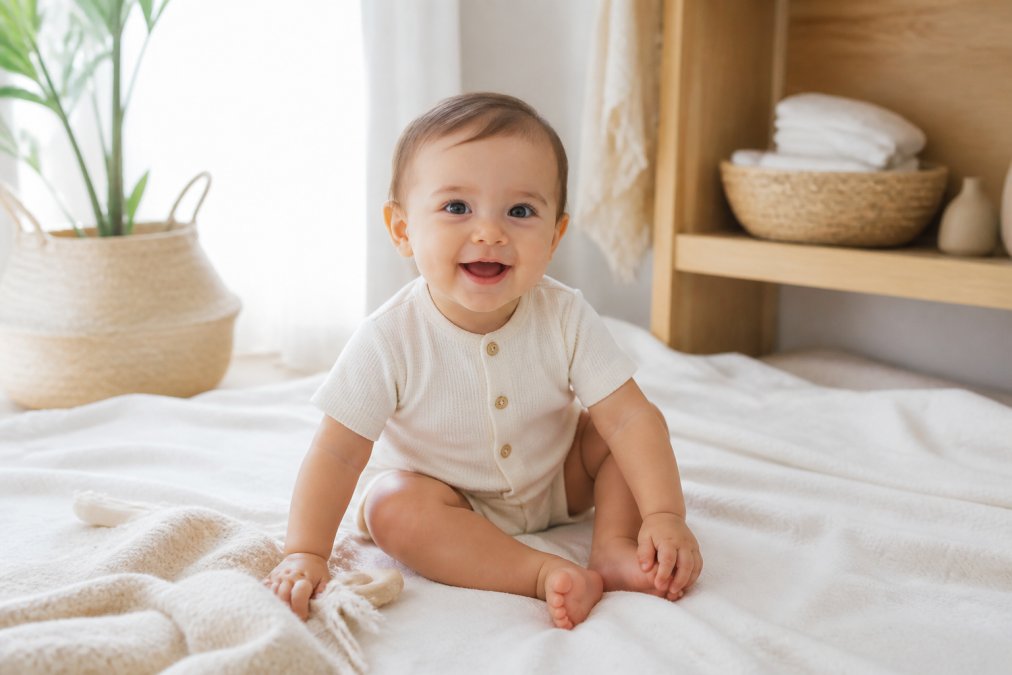
Parents building a capsule wardrobe should also consider the Newborn Baby Romper Soft Cotton Outfit at $11.46 for everyday wear and the Cotton Baby Romper Newborn One Piece Outfit at $28.84 for special occasions, with its 100 percent cotton princess-style design.

Key Takeaway
A newborn essentials checklist built around organic cotton rompers covers roughly 80 percent of daily dressing needs. Prioritize pieces with easy closures and generous sizing to extend wear time across growth spurts.
How to Wash Organic Cotton Baby Clothes
Proper care extends the life of organic cotton and preserves its softness, but most parents make a few common mistakes that cause premature wear.
Wash organic cotton in cold water with a gentle, fragrance-free detergent. Hot water can break down natural fibers over time, while fragrances and optical brighteners leave residues that defeat the purpose of choosing organic in the first place.
Skip the fabric softener entirely. Organic cotton is naturally soft, and fabric softeners coat fibers with chemicals that reduce breathability and moisture-wicking properties. A half-cup of white vinegar in the rinse cycle works as a natural alternative if you need extra softness.
Dry organic garments on low heat or air-dry them when possible. High heat causes shrinkage and weakens fibers, which is why many parents find their organic pieces last longer when hung to dry. The Environmental Protection Agency's Safer Choice guidance on laundry products offers useful direction on choosing detergents that are gentler for both fabrics and the environment.
The microplastic problem in your laundry room. While 100 percent organic cotton garments shed only natural fibers that biodegrade, many 'organic' baby clothes contain a small percentage of synthetic fibers like elastane or polyester for stretch. Every wash cycle causes these synthetic fibers to shed microplastics, tiny particles under 5 millimeters that flow through wastewater treatment plants and into oceans.
This is why fabric composition matters beyond comfort. A romper that is 95 percent organic cotton and 5 percent elastane will shed microplastics with every wash, undermining the environmental benefits of choosing organic. For parents who want to minimize their ecological footprint completely, selecting 100 percent cotton garments is the only way to ensure your laundry routine contributes zero microplastic pollution.
Washing strategies to minimize fiber shedding. If you own blended garments, a few simple habits can dramatically reduce microfiber release. Wash less frequently, organic cotton is naturally odor-resistant and does not need laundering after every wear. Use a front-loading washing machine, which is gentler on fabrics than top-loaders with central agitators. Consider installing a microfiber-catching filter on your washing machine's discharge hose, which can capture a significant percentage of shed fibers before they reach wastewater.
Watch Out
Never use bleach on organic cotton baby clothes. Chlorine bleach weakens natural fibers and leaves toxic residues that can cause skin reactions. If stains persist, try a paste of baking soda and water applied before washing. Additionally, avoid washing baby clothes in a load with heavy synthetic items like polyester blankets or nylon changing pads, as friction between fabrics accelerates fiber shedding from both.
By understanding the full lifecycle of your baby's clothing, from the farm to the wash cycle to the water system, you can make choices that align with your family's health and your environmental values. The most sustainable garment is not just one made from organic cotton, but one that is washed thoughtfully and worn fully.
Cost-Per-Wear: The Real Value of Organic
The premium price of organic baby clothing often gives parents pause, but the cost-per-wear calculation tells a more honest story.
Consider a conventional cotton romper at a lower price point that pills, fades, and loses shape after a dozen washes. Compare that to a well-made organic romper that maintains its softness and structure through dozens of washes and remains presentable for a second child.
When you divide the purchase price by the number of actual wears, organic cotton frequently comes out ahead. A $30 organic romper worn 60 times costs 50 cents per wear. A $15 conventional romper that only survives 20 washes before looking tired costs 75 cents per wear.
Organic pieces also hold resale value. The second-hand market for organic baby clothing is strong because parents specifically seek out GOTS-certified pieces for their durability and safety profile.
Key Takeaway
Think of organic cotton baby clothes as an investment in durability, not a disposable purchase. The cost-per-wear analysis consistently favors quality pieces that survive multiple children and hold resale value.
Build a Baby Capsule Wardrobe That Lasts
A baby capsule wardrobe is a curated collection of versatile pieces that mix and match easily, reducing laundry loads and dressing decisions.
Start with six to eight bodysuits in neutral colors, two to three rompers for everyday wear, and one or two special-occasion outfits. Add sleep sacks or zipper footies for nighttime, and you have a functional wardrobe that covers most scenarios without overflowing drawers.
Choose a cohesive palette of whites, creams, soft grays, and muted earth tones. Neutral colors hide stains better than bright patterns and coordinate effortlessly, meaning any top works with any bottom.
Prioritize pieces with room to grow. Sizing up slightly extends the life of each garment, and adjustable features like roll-cuff sleeves or expandable necklines add months of wear, reducing the total number of garments needed in the first year.
The most sustainable baby clothing is the clothing you actually use. A thoughtful capsule wardrobe around organic cotton staples reduces waste, simplifies your mornings, and ensures your baby is dressed in fabrics that support healthy growth.
Choosing to buy organic baby cotton clothing is one of the most practical decisions you can make for your child's comfort and your family's environmental footprint. At Modocam Kids, our curated selection of cotton rompers and newborn essentials focuses on the comfort, care, and style that support your child's happy growth. From GOTS-certified fabrics to durable stitching designed to survive multiple children, every piece in our collection is chosen with intention. Explore our organic cotton range and build a baby wardrobe that lasts.
Frequently Asked Questions
How can I verify if baby clothing is truly organic?
Look for a GOTS certification label on the garment or its packaging. This global standard verifies that the cotton is grown without synthetic pesticides and that the manufacturing process meets strict environmental and social criteria. A GOTS label is your guarantee that the organic baby cotton clothing you are buying is authentic from farm to finished product.
Is organic cotton better for babies with sensitive skin?
Yes. Organic cotton is hypoallergenic and free from the harsh chemicals, pesticides, and synthetic dyes used in conventional cotton farming. For infants with sensitive skin or conditions like eczema, this reduces irritation. The natural fibers are also breathable and soft, helping to regulate your baby's temperature and prevent overheating, which keeps delicate skin comfortable.
What does GOTS certification mean for baby clothes?
GOTS, or the Global Organic Textile Standard, is the leading certification for organic textiles. When you buy GOTS certified baby clothes, it means the entire supply chain, from the organic farming of the cotton to the final dyeing and stitching, has been inspected. It also prohibits the use of toxic heavy metals and formaldehyde, ensuring the clothing is safe for your baby's skin and the environment.
How do I care for organic cotton baby garments to ensure longevity?
To keep organic cotton soft and durable, wash it in cold water on a gentle cycle with a mild, eco-friendly detergent. Avoid bleach and fabric softeners, which can break down the natural fibers. Tumble dry on low or, better yet, air dry to prevent shrinking. This gentle care helps maintain the fabric's integrity, ensuring the clothes can be passed down or resold.

