

Cart
0
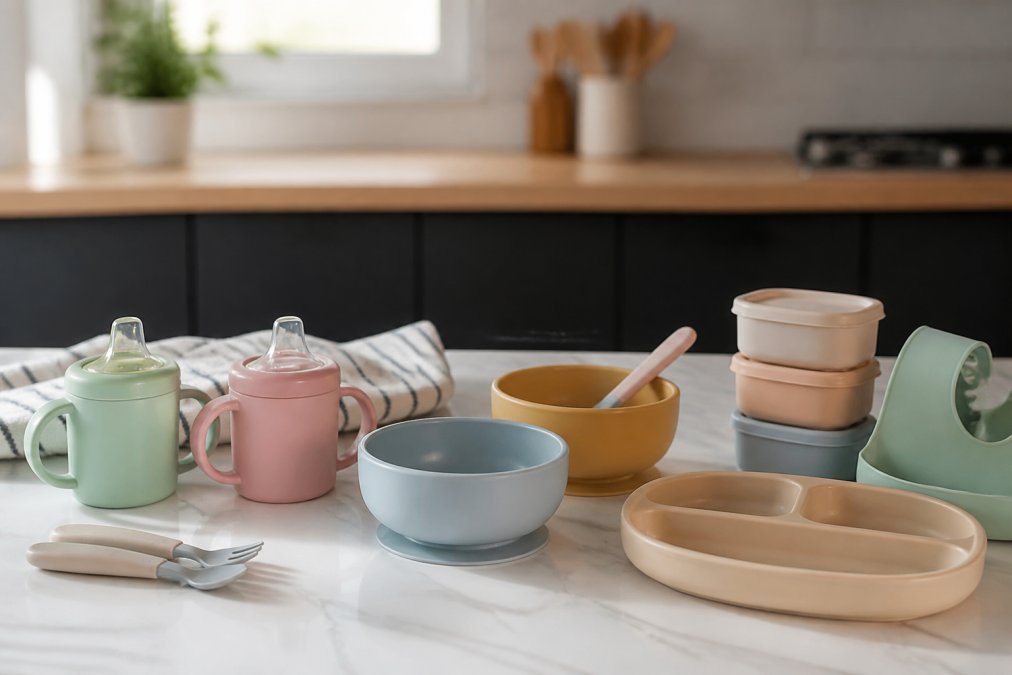
Table of Contents
- Why Buying Baby Feeding Sets Online Beats In-Store Shopping
- Non-Toxic Baby Dinnerware: Materials That Are Safe for Starting Solids
- The Best Baby Feeding Supplies for Starting Solids: A Complete Checklist
- Safety Certifications and Standards to Look for When You Buy High Quality Baby Feeding Sets Online
- How to Clean and Sanitize Baby Feeding Sets Properly
- Top Picks from Modocam Kids for Every Feeding Stage
- Frequently Asked Questions
Last Updated: September 20, 2026
Why Buying Baby Feeding Sets Online Beats In-Store Shopping
Shopping for baby feeding sets online gives you a wider selection, transparent safety details, and the ability to compare materials without driving between stores. For new parents, that convenience matters more than a quick trip to a big-box retailer.
Non-Toxic Baby Dinnerware: Materials That Are Safe for Starting Solids
Non-toxic baby dinnerware is tableware made without BPA, phthalates, PVC, or other harmful additives that can leach into food. The material matters more than the brand name on the box.
Silicone vs. Bamboo vs. Stainless Steel vs. Plastic
- Food-grade silicone: Soft on gums, heat-resistant, dishwasher safe, and gentle on teeth. It can hold faint odors if you leave food in it too long.
- Bamboo: Lightweight and eco-friendly, but it needs hand washing and can crack with heavy dishwasher use.
- Stainless steel: Nearly indestructible and easy to sanitize. It gets hot with warm food and can be noisy when dropped.
- Plastic (PP): Affordable and lightweight, but check for BPA-free and phthalate-free labels every time.
Pro Tip
Silicone picks up soap residue and food smells faster than any other material. Rinse with hot water before washing, and the odor problem mostly disappears.
For most families starting solids, silicone handles the transition best because it survives drops, teething, and daily washing without losing shape.
The Best Baby Feeding Supplies for Starting Solids: A Complete Checklist
The best baby feeding supplies for starting solids cover four jobs: a stable surface, safe utensils, portion control, and easy cleanup. Miss one, and mealtime gets harder than it needs to be. But the gear that fits a six-month-old eating puree is not the same gear that fits an eight-month-old grabbing at strips of toast, and most buying guides blur that line.
First Foods (Purees) vs. Baby-Led Weaning (Finger Foods)
These are two different feeding approaches, and they need different tools.
The Checklist, Split by Stage
For first foods (roughly 6 months, puree phase):
- Suction bowl with a base that grips the table
- Soft-tip spoons sized for a small mouth (a set of 4-6, since they get lost)
- Open cup or straw cup for practice sips
- Bib with a catch pocket
- Bottle brush for straws and narrow parts
- Dishwasher-safe storage containers for batch purees
For baby-led weaning (roughly 6-9 months, finger-food phase):

- Divided plate with a strong suction base
- Short-handled, chunky-grip utensils the baby can hold in a fist
- Fork and spoon with rounded tines and bowl edges
- Full-coverage bib with a deep pocket (silicone wipes clean faster than fabric)
- Splat mat under the high chair
- Cup with a weighted base or a straw cup
Suction Bases, Divided Plates, and Soft-Tip Spoons
A suction base is a ring of flexible material under the bowl that sticks to the table and stops tipping. It's the single feature that prevents the most mess during self-feeding. The catch: suction only works on smooth, non-porous surfaces. It won't grip a wooden table with a grain, a tablecloth, or a textured tray, so check your high chair tray before you assume the bowl will stay put.
| Feature | What It Solves | Best For |
|---|---|---|
| Suction base | Tipped bowls, spills | Babies learning to grab |
| Divided plate | Mixed textures, portion control | Toddlers and picky eaters |
| Soft-tip spoon | Gum discomfort | First bites (puree phase) |
| Short-handled utensil | Poor aim, dropped spoons | Baby-led weaning |
| Rotating bowl | Food always within reach | Self-feeding practice |
| Catch-pocket bib | Floor cleanup | Both stages |
Pro Tip
Buy two suction bowls, not one. One is always in the dishwasher, and a baby who has to wait for a clean bowl is a baby who has lost interest in eating.
Size and Developmental Fit
A set that's too big for a six-month-old is a set that gets thrown. Match the tool to the stage:
- 6-8 months: Small bowls (roughly 8-12 oz), soft-tip spoons, open cups with a small rim.
- 9-12 months: Divided plates, short-handled utensils, straw cups, larger bibs.
- 12-24 months: Full-size plates and bowls, toddler forks with rounded tines, open cups.
Safety Certifications and Standards to Look for When You Buy High Quality Baby Feeding Sets Online
Watch Out
A product that says "non-toxic" without naming a material or a standard is a red flag. Vague claims usually mean the seller has nothing specific to certify.
Check the product page for material composition, care instructions, and age range. If a listing hides those details, that's your answer.
How to Clean and Sanitize Baby Feeding Sets Properly
Proper cleaning means washing after every use, sanitizing on a schedule, and drying fully before storage. Moisture left in a suction base is where mold starts. Most practitioners find that the difference between a set that lasts two years and one that smells like last week's sweet potato comes down to three habits: rinse immediately, sanitize on a cadence, and dry completely before anything gets stacked.
Wash, Sanitize, and Dry: What Each Step Actually Does
These three words get used interchangeably, but they do different jobs.
- Washing removes food residue and oils. Warm water plus mild dish soap, or the top rack of the dishwasher, handles this. Washing is a daily task.
- Sanitizing kills the bacteria washing leaves behind. Boiling for a few minutes, a steam sterilizer, or a dishwasher's sanitize cycle all work. Sanitizing is a weekly task for healthy babies, and daily for newborns, premature babies, or any baby recovering from illness.
- Drying prevents the moisture that feeds mold and mildew. Air-drying on a rack with space between items beats towel-drying, which can push lint into suction rings and straw channels.
A simple routine that works:
- Scrape food residue into the trash, not the sink.
- Rinse under hot water within an hour of the meal, before residue dries into the silicone's surface.
- Wash with warm water and mild soap, or run the top rack of the dishwasher.
- Sanitize by boiling silicone and PP parts briefly, or use a steam sterilizer.
- Air-dry completely, especially inside suction rings and straw channels.
- Store uncovered until fully dry.
Key Takeaway
The top rack of the dishwasher handles most silicone and PP dinnerware safely. Skip the heated dry cycle if your set's listing says microwave use isn't recommended, since heat exposure varies by material.
Removing Odors and Stains from Silicone
Silicone is porous at a microscopic level, which is why it absorbs the fats and pigments in tomato sauce, curry, and carrot puree. This is the single most common complaint parents post about silicone sets, and it is fixable.
- Baking soda paste: Mix baking soda with a little water, work it into the stained area, let it sit for 15-20 minutes, then wash normally. This lifts most surface odors.
- White vinegar soak: A 1:1 vinegar-and-water soak for 30 minutes neutralizes sour-milk and soap-residue smells. Rinse thoroughly afterward, vinegar left on the surface can leave its own scent.
- Lemon juice plus sunlight: For stubborn orange or red stains, a diluted lemon juice soak followed by an hour in direct sun bleaches many pigments out. Sunlight alone can fade some stains over a few hours.
- Boiling with a splash of vinegar: A short boil in water with a tablespoon of white vinegar resets a set that smells like old soap. Do not boil for extended periods, prolonged high heat can shorten silicone's lifespan.
Maintenance Schedule and Replacement Timing
- Daily: Wash after every use; rinse straws and suction bases immediately.
- Weekly: Sanitize by boil, steam, or dishwasher sanitize cycle.
- Monthly: Inspect for cracks, cloudiness, or a persistent smell that cleaning won't remove. Any of those means it's time to replace.
- Every few months: Replace bottle brushes and straw cleaners. Worn bristles stop reaching the corners where residue collects, and a dirty brush re-contaminates a clean bottle.
Bamboo and wooden items need different handling: hand wash, dry immediately, and never soak. Stainless steel and PP plastic tolerate the dishwasher and boiling with far less fuss, which is one reason they hold up longer in heavy daily use.
Watch Out
Never microwave a suction base to "sanitize" it. Trapped moisture inside the ring can superheat and warp the seal, and the seal is the one feature that makes the bowl useful.
Top Picks from Modocam Kids for Every Feeding Stage
Modocam Kids carries feeding gear built for each stage, from first bites to independent toddler meals. Here's what fits where.

For Babies Just Starting Solids
First feeders need stability and soft edges. The rotating bowl above handles the stability part. Pair it with a soft-tip spoon and a suction base, and you've covered the essentials for the first month of solids.
For Toddlers and Self-Feeding
Toddlers want control. The Adjustable Baby Cotton Nursing Arm Pillow ($15.68) is compact enough for travel and machine washable. For bottle-feeding families, the Automatic Milk Pumps Kit ($20.63) offers nine suction speeds and a 150ml bottle, made from PP and silicone with no BPA.


Frequently Asked Questions
What materials are safest for baby feeding sets?
Food-grade silicone, stainless steel, and bamboo are the safest options. Look for sets labeled BPA-free, phthalate-free, and PVC-free. Silicone is soft on gums and heat-resistant, while stainless steel is durable and won't hold stains. Avoid plastic sets that aren't explicitly non-toxic, as some can leach chemicals when heated. Always check for third-party safety certifications on the product page before you buy high quality baby feeding sets online.
Are silicone baby feeding sets better than plastic?
Silicone is generally better than plastic for baby feeding sets. It's hypoallergenic, heat-resistant, and doesn't contain BPA or phthalates. Silicone is also softer on a baby's gums and less likely to crack or stain over time. Plastic sets can be cheaper, but they may degrade with repeated washing and heating. If you want durable, non-toxic baby dinnerware that lasts through multiple children, silicone is the stronger choice.
What should I look for when buying baby feeding sets online?
Check the material (food-grade silicone, stainless steel, or bamboo), safety certifications (BPA-free, phthalate-free, PVC-free), and whether the set is dishwasher safe and microwave safe. Look for suction bases to prevent spills, divided plates for portion control, and soft-tip spoons for self-feeding. Read the product description for exact dimensions and age recommendations. A high-quality set should also be easy to clean and durable enough to handle daily use.
Are suction bowls necessary for baby feeding?
Suction bowls are extremely helpful, especially for babies learning to self-feed. They attach to the tabletop and prevent the bowl from tipping over, which reduces mess and frustration. A suction base also encourages independent eating because the baby can scoop food without the bowl sliding away. While not strictly necessary, they make mealtime smoother and are a key feature in the best baby feeding supplies for starting solids.
Mealtime gear takes a beating, and replacing cracked bowls and worn brushes every few months adds up fast. Modocam Kids curates feeding essentials built for comfort and daily use, so you're not re-buying the same items twice. Our rotating spill-proof bowl, washable nursing pillows, and silicone brush sets cover the full feeding stage from first bites to toddler independence. Get started with Modocam Kids and build a feeding setup that lasts.

