

Cart
0
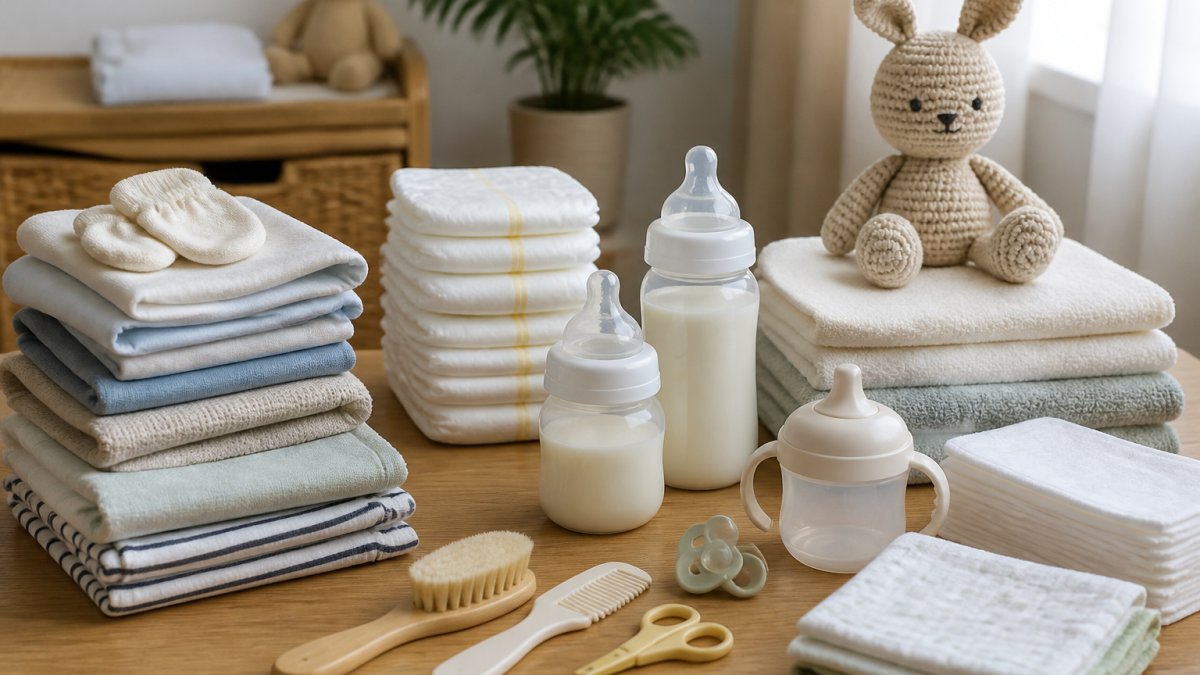
Table of Contents
- Essential vs. Non-Essential: What Your Newborn Actually Needs
- Diapering and Feeding: The Recurring Expenses That Add Up
- How to Save Money on Baby Gear Without Sacrificing Safety
- Secondhand Baby Gear Safety Tips and What to Buy Used
- Baby Registry Checklist for Budget Parents
- Portable Changing Pads and Mummy Bags: Multi-Purpose Essentials Under $25
- Affordable Strollers That Don't Compromise on Function
- Where to Find Free and Discounted Baby Items in Your Community
- Frequently Asked Questions
Last Updated: October 4, 2026
Essential vs. Non-Essential: What Your Newborn Actually Needs
Your newborn doesn't need much. This is the hardest truth for first-time parents to accept, especially when nursery catalogs and well-meaning relatives suggest otherwise.
The distinction between essential and non-essential baby gear comes down to one question: does this item directly support feeding, sleeping, diaper changes, or safe transportation? If yes, it's essential.
Non-essential items include elaborate crib bedding sets, dozens of outfits, specialized storage systems, and high-end strollers with every feature imaginable. Many families spend heavily here and regret it.
The cost difference between essential-only and loaded-up nurseries can exceed $3,000. For budget-conscious parents, this clarity saves money and stress.
Pro Tip
Focus your spending on items that directly touch your baby's skin or support daily routines. Everything else is negotiable.
Diapering and Feeding: The Recurring Expenses That Add Up
Diapering and feeding represent the largest ongoing costs of early parenthood. Unlike furniture or gear, which you buy once, these expenses recur monthly for years. Understanding the true cost helps you budget realistically and identify where savings are possible.
Diaper and Wipe Costs Over the First Year
A newborn goes through 8-12 diapers per day. By month six, that drops to 6-8 daily. Over the first year, most families use between 2,000 and 3,000 diapers. At typical retail prices, this translates to significant spending.
Budget brands cost roughly $0.15-$0.20 per diaper. Premium brands run $0.25-$0.35 per diaper. The difference between budget and premium diapers over a full year can exceed $500. Many parents find budget options perform equally well for their baby, making this an easy place to cut costs without sacrificing quality or safety.
Wipes follow a similar pattern. A family uses roughly 8,000-10,000 wipes in the first year. Bulk buying from warehouse clubs or online retailers reduces per-unit costs significantly compared to convenience store prices.
Watch Out
Buying diapers in small packages at convenience stores costs up to 40% more than bulk purchasing. If cash flow is tight, small regular purchases feel manageable but create a false sense of affordability.
Budget-Friendly Feeding Solutions
Breastfeeding eliminates formula costs entirely but requires investment in a breast pump if you plan to return to work or need flexibility. A basic electric pump costs $100-$200 and lasts through multiple children.
Formula feeding has clear, predictable costs. Infant formula runs $1.00-$2.50 per ounce prepared. A newborn consumes roughly 150 ounces weekly, meaning weekly formula costs range from $150-$375 depending on brand and where you buy. Generic store brands perform identically to name brands in most cases, cutting costs by 30-40%.
Feeding supplies beyond formula or breast milk are minimal. Modocam Kids offers Stainless Steel Silicone Baby Feeding Sets starting at $17.57, which include suction-cup bowls and utensils designed to minimize spills and waste as your baby transitions to solids around six months.
| Feeding Method | Monthly Cost Range | First-Year Total | Key Savings Opportunity |
|---|---|---|---|
| Exclusive breastfeeding | $0-$100 | $0-$1,200 | Pump investment upfront |
| Formula feeding (generic) | $150-$200 | $1,800-$2,400 | Bulk purchasing, store brands |
| Formula feeding (premium) | $300-$375 | $3,600-$4,500 | Switching to generics saves 30-40% |
| Mixed feeding | $75-$200 | $900-$2,400 | Depends on ratio |
How to Save Money on Baby Gear Without Sacrificing Safety
Smart shopping for baby gear means knowing which items genuinely matter and which represent marketing-driven spending. Safety is non-negotiable. Cost savings come from avoiding redundancy, choosing multi-purpose items, and timing purchases strategically.
The biggest savings opportunity lies in recognizing that babies don't need specialized versions of everyday items. A regular blanket works as well as a "swaddle blanket." A basic dresser functions identically to one labeled "baby dresser." Marketing creates categories that don't actually exist.
Multi-purpose items deliver real value. A portable changing pad serves as a diaper changing station, play mat, and travel companion. The Portable Diaper Changing Pad Clutch for Newborn at $18.08 folds into a compact clutch, includes toy rings for distraction during changes, and features waterproof fabric for easy cleaning.

Timing purchases strategically cuts costs significantly. Buy seasonal items off-season. Purchase larger sizes before you need them if items are on sale. Wait for major sales events rather than buying at full price throughout the year.
Key Takeaway
The most expensive baby gear often performs identically to affordable alternatives. Parents overspend on brand names and features they never use.
Secondhand Baby Gear Safety Tips and What to Buy Used
The secondhand baby market offers tremendous savings. Families spend heavily on gear their babies use briefly before outgrowing it. Buying used lets you access quality items at 40-70% discounts.
Which Items Are Safe to Buy Secondhand
Items that are safe to buy secondhand include strollers, carriers, high chairs, bouncers, and play yards. These items don't deteriorate with age if they've been stored properly. Check for structural integrity, clean all fabric components, and verify that all parts function correctly.
Clothing and blankets are universally safe secondhand. Wash everything before use. Soft goods like swaddles, sleep sacks, and receiving blankets cost far less used and perform identically to new versions.
Car seats present a gray area. Buy used only if you personally know the history and can verify the seat hasn't been in an accident. Accident damage isn't always visible but compromises safety. When in doubt, buy new.
Items That Should Always Be New
Mattresses, crib sheets, and pillows should always be new. These items contact your baby's face and body throughout sleep. Used mattresses may harbor dust mites, mold, or bacteria that pose health risks. Crib safety standards have evolved, and older mattresses may not meet current requirements (CPSC Approves New Federal Safety Standard for Crib Mattresses).
Bottles and pacifiers should be new unless they're from a trusted family member you know well. Small cracks or damage aren't always visible but create safety risks during feeding.
Feeding supplies like bibs, burp cloths, and high-chair trays are safe secondhand if thoroughly washed. Utensils and plates should be new to ensure they haven't been damaged or contaminated.
Watch Out
Never buy used car seats from strangers. Even minor accidents compromise structural integrity in ways you cannot detect visually. The safety risk exceeds any cost savings.
Baby Registry Checklist for Budget Parents
A smart registry focuses on essentials and multi-purpose items while avoiding redundancy. This approach reduces both your out-of-pocket costs and the burden on gift-givers.
Nursery Essentials:
- Safe crib or bassinet with fitted sheets (3-4 sheets minimum)
- Firm mattress and waterproof mattress cover
- 6-8 sleep sacks or wearable blankets in various sizes
- Dresser or storage for clothing
Feeding Supplies:
- 8-10 bottles if bottle-feeding (various sizes as baby grows)
- Sterilizer or sterilizing tablets
- Bottle brush and drying rack
- Bibs and burp cloths (8-10 total)
- High chair for later (around six months)
Diapering:
LEQUEEN Multifunctional Large Capacity Mummy Bag →
- Changing table or dresser with changing pad
- Waterproof changing pad covers (2-3)
- Diaper pail or small trash can
- Diaper cream and basic first-aid supplies
Clothing:
- Newborn and 0-3 month sizes (babies grow fast)
- 5-7 bodysuits
- 5-7 pants or leggings
- 3-4 sleepers or gowns for easy diaper changes
- Socks or booties (babies lose these constantly)
Transportation:
- Approved car seat (non-negotiable safety item)
- Stroller appropriate to your lifestyle
- Baby carrier or wrap for hands-free carrying
Bath:
- Infant tub or insert for regular tub
- Hooded towels (2-3)
- Mild baby wash
- Soft washcloths
Avoid registry items that serve single purposes or duplicate functionality. Skip elaborate crib bedding sets, specialty swaddles, and themed nursery decor. These items cost money and add clutter without improving your baby's comfort or safety.
Portable Changing Pads and Mummy Bags: Multi-Purpose Essentials Under $25
Portable changing pads and diaper bags represent smart spending because they solve multiple problems simultaneously. These items accompany you everywhere during your baby's first years, making their quality and functionality worth prioritizing.
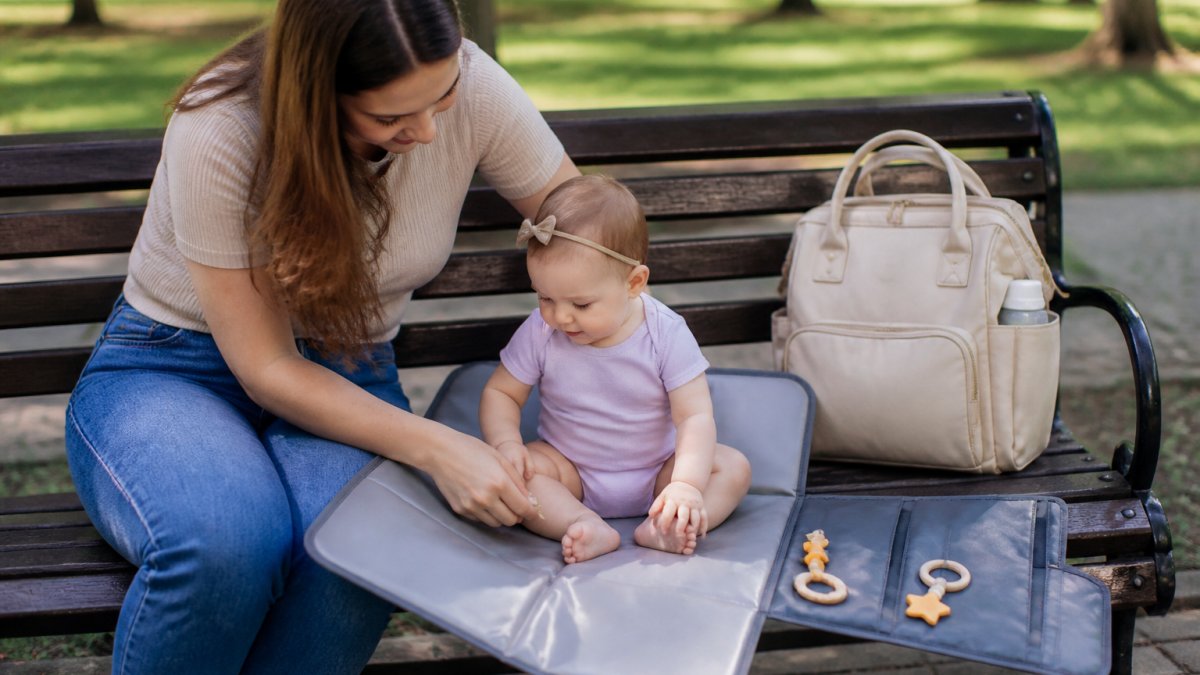
The Portable Diaper Changing Pad Clutch for Newborn at $18.08 transforms from a compact clutch into a 70 x 50 cm changing surface.
The Baby Portable Foldable Washable Compact Travel Nappy Diaper Changing Mat at $21.17 expands to 90 x 60 cm and includes storage pockets for diapers, wipes, and supplies.

For carrying supplies, the LEQUEEN Multifunctional Large Capacity Mummy Bag at $24.40 features oxford cloth construction, multiple compartments, and both shoulder and cross-body carrying options.

These three items cost roughly $64 combined but replace a dedicated changing table, multiple changing pads, a diaper caddy, and a traditional diaper bag.
Best For
Budget-conscious parents who spend significant time away from home. These portable solutions eliminate the need to buy separate changing furniture.
Affordable Strollers That Don't Compromise on Function
Stroller choice significantly impacts daily life. You'll use it hundreds of times in your baby's first years. Affordability matters, but functionality matters more because you live with this choice daily.
The Baby Strollers Are Light And Easy To Fold at $52.57 prioritizes portability and ease of use. The reversible design lets your baby face you or the world. Steel pipe construction provides durability.
For families needing a stroller that grows with their baby, the Portable Children's Stroller at $74.57 accommodates ages 0-6 months, 6-12 months, and 1-3 years. Aluminum alloy construction keeps weight manageable.
The key difference between affordable and expensive strollers isn't whether they move your baby. It's features like cup holders, large storage baskets, and reversible seats. These conveniences matter for lifestyle but aren't essential.
Pro Tip
Test stroller maneuverability in-store if possible. A lightweight stroller you'll actually use beats a feature-rich model you avoid because it's heavy or awkward.
Where to Find Free and Discounted Baby Items in Your Community
Community resources offer substantial savings if you know where to look. Many families have successfully outfitted nurseries almost entirely through free and discounted channels.
Baby supply swap groups exist in most communities through Facebook, Nextdoor, and local parenting organizations. Parents exchange items their children have outgrown.
Buy Nothing groups operate in most neighborhoods. Members post items they're giving away for free.
Community centers, libraries, and churches often host baby equipment lending libraries.
Consignment shops specialize in children's gear. Prices run 30-60% below retail. The selection rotates constantly as families bring in outgrown items.
Online marketplaces like Facebook Marketplace and Craigslist connect you with local sellers. Negotiate prices, especially for multiple items.
Local parenting groups often have community email lists where members post items for sale or trade.
Key Takeaway
Free and discounted channels require more effort than retail shopping but can reduce your first-year baby gear spending by 50% or more.
Building an affordable baby essentials list doesn't mean sacrificing quality or safety. Shop our collection of portable changing pads, feeding sets, and affordable strollers to build your registry strategically and support your child's happy growth without overspending.
Frequently Asked Questions
What are the absolute must-have items for a newborn on a budget?
Focus on safety-certified essentials: a safe sleep space, car seat, diapers, feeding supplies, and basic clothing. Skip decorative items and specialty gear. A portable diaper changing pad like the ones available for under $25 serves double duty as both a changing surface and storage solution. Prioritize items that address immediate safety and daily care needs in your first three months.
How can I build a baby registry checklist for budget parents without overspending?
Start by listing only items you'll use daily or weekly: diapers, wipes, feeding supplies, clothing, and sleep gear. Avoid single-purpose items. Choose multi-functional products, a mummy bag with compartments handles storage and organization. Ask for secondhand items from friends and family. Focus your registry on quality basics rather than trendy accessories, and plan to acquire items gradually rather than all at once.
What baby items are safe to buy secondhand versus new?
Safe to buy used: clothing, blankets, books, toys, strollers, and changing pads. Never buy used: car seats (safety unknown after crashes), mattresses, pillows, or cribs with non-original parts. Check CPSIA certification labels on any used gear. Inspect secondhand items for damage, missing parts, and recalls before purchase. Portable changing pads should come from trusted sources and be cleaned thoroughly before use.
How much should I budget for diapers and feeding supplies in the first year?
Newborns use 8-12 diapers daily, dropping to 6-8 by month six. Budget $1,200-1,800 for diapers annually depending on brand. Wipes add $200-300 yearly. If formula feeding, budget $1,500-2,500 per year. Breastfeeding reduces feeding costs significantly. Silicone feeding sets starting at $17.57 are durable and reusable, reducing long-term feeding expenses compared to disposables.
Are there specific baby essentials that parents often overbuy?
Yes, clothing (newborns outgrow sizes quickly), specialty gear (white noise machines, swaddles, fancy bassinets), and decorative items. Many parents buy multiple strollers when one reversible model at $52.57 handles most situations. Focus on fewer, high-quality pieces that serve multiple purposes. Hand-me-downs and secondhand gear reduce waste and cost without sacrificing function.

